# Trying to Conceive Tips: Do This If You're TTC
Couples trying to conceive face practical questions about timing, fertility, and what actually works. The guidance available ranges from tracking ovulation to lifestyle changes that support pregnancy.
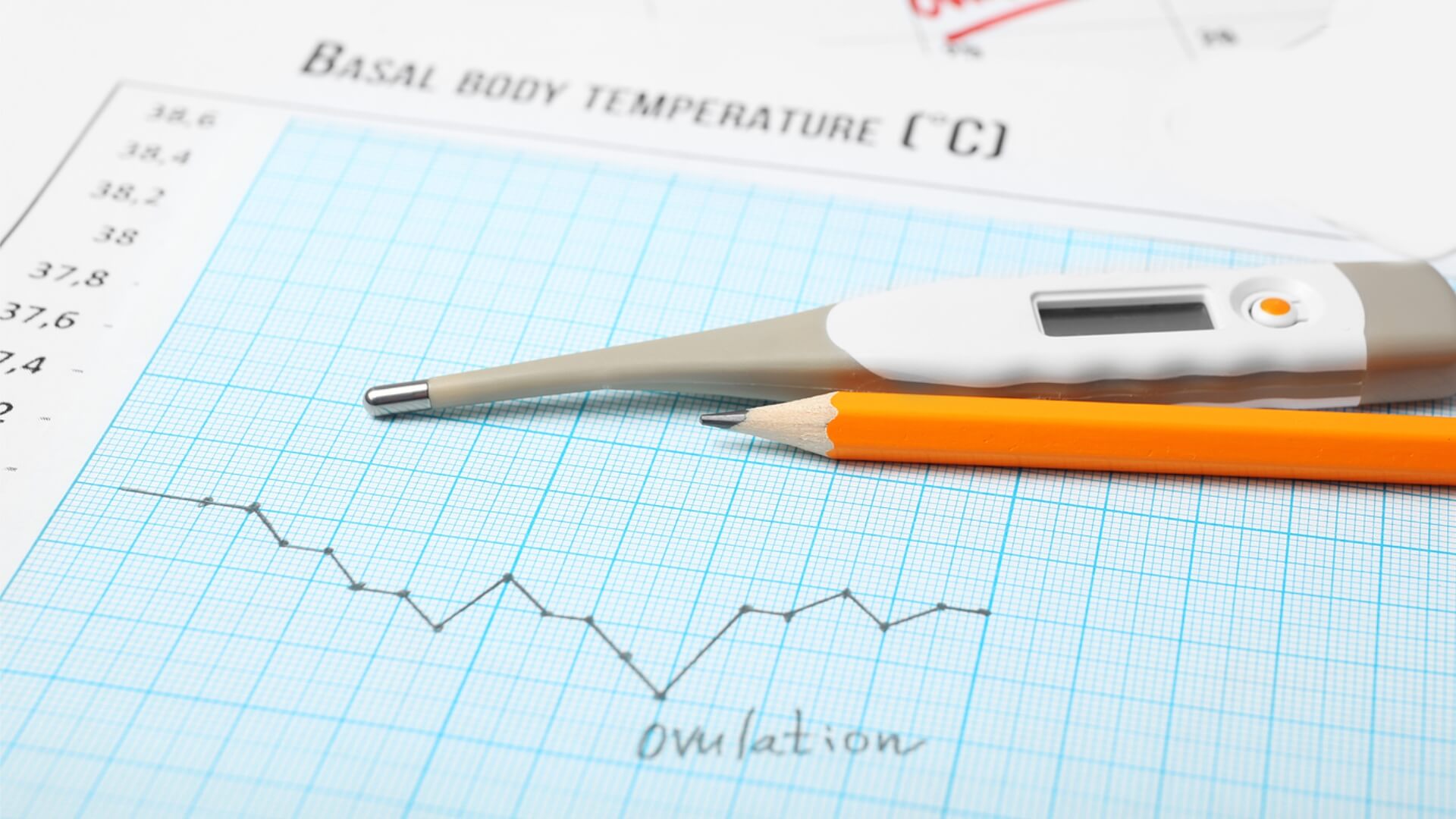
Timing matters for conception. The fertile window occurs during the five days before ovulation and the day of ovulation itself. Most people ovulate about 14 days before their next period begins, though this varies. Tracking methods include monitoring basal body temperature, cervical mucus changes, or using ovulation predictor kits. Apps like Flo or Natural Cycles help identify peak fertility windows based on cycle data.
Sexual frequency affects outcomes. Research shows that couples having sex every other day during the fertile window achieve pregnancy rates similar to daily intercourse, while reducing pressure and stress around intimacy.
Lifestyle factors support fertility. Both partners benefit from maintaining healthy weight ranges, exercising regularly, and managing stress. Smoking, excessive alcohol, and high caffeine intake reduce fertility in both men and women. Folic acid supplementation (400-800 mcg daily) helps prevent neural tube defects and supports healthy conception.
For women, prenatal vitamins containing prenatal DHA support egg quality. Men can boost sperm health through adequate zinc intake, limiting heat exposure to the testicles, and avoiding tight underwear.
When to seek help matters. The American College of Obstetricians and Gynecologists recommends fertility evaluation after 12 months of unprotected intercourse for women under 35, and after 6 months for women 35 and older. Conditions like irregular cycles, endometriosis, or previous pelvic infections warrant earlier evaluation.
Testing options include semen analysis for men and ovulation tracking plus imaging studies for women. Fertility specialists can identify obstacles and discuss treatments ranging from medication like clom