# Surf Therapy Emerges as Evidence-Based Mental Health Tool for Young People
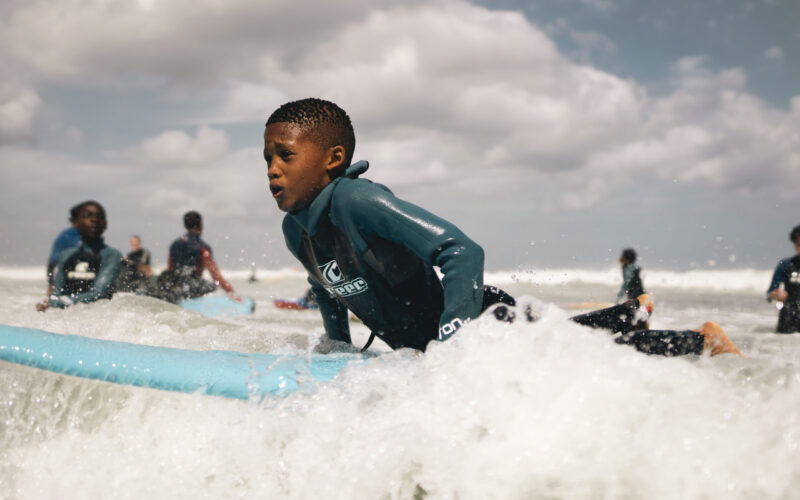
The Child Mind Institute, in partnership with the Stavros Niarchos Foundation Global Center for Child and Adolescent Mental Health, has highlighted surf therapy as an effective low-intensity intervention for youth struggling with mental health challenges. The approach leverages ocean-based activities to support emotional wellbeing in young people across different communities and cultures.
Surf therapy combines the physical benefits of water-based movement with the psychological advantages of nature exposure and skill-building in a structured environment. Unlike traditional talk therapy, this modality works particularly well for adolescents who resist conventional clinical settings or struggle to verbalize emotions. The rhythm of the ocean, combined with the focus required to learn surfing, creates natural opportunities for emotional regulation and confidence building.
Research from organizations like Waves for Change demonstrates that youth participating in surf therapy programs show improvements in mental health outcomes, including reduced anxiety and depression symptoms. The approach works across diverse populations, including underserved communities where access to traditional mental health services remains limited. Programs typically pair surfing instruction with peer support and mentorship, creating a holistic intervention.
The low-intensity nature of surf therapy makes it accessible for young people at various mental health levels. Participants don't need prior surfing experience or athletic ability. Instead, the focus centers on presence, connection, and gradual progress. The ocean environment itself offers grounding benefits that complement clinical treatment.
For parents considering options for their teenagers, surf therapy programs work best as part of a comprehensive mental health plan, not as a replacement for therapy or medication when needed. Families living near coastal areas can explore local organizations offering evidence-based programs. The approach particularly suits teens who respond better to experiential learning and outdoor settings than traditional office-based therapy.
As mental health crises among youth continue rising, surf therapy represents one of many alternative or complementary approaches gaining