# Heart Attack Risk 31% Lower for People with Strong Chest, Back Muscles
New research reveals a direct link between upper body strength and cardiovascular health. People with strong chest and back muscles have a 31 percent lower risk of heart attack compared to those with weaker muscles in these areas.
The finding comes from studies examining the relationship between muscle strength and heart disease. Researchers measured upper body grip strength and overall muscle development as markers of cardiovascular resilience. The data shows that building and maintaining chest and back muscle mass offers real protection against one of the leading causes of death.
This research matters because it identifies a concrete, actionable way families can reduce heart disease risk. Unlike some health factors that depend on genetics or age, muscle strength responds directly to exercise choices.
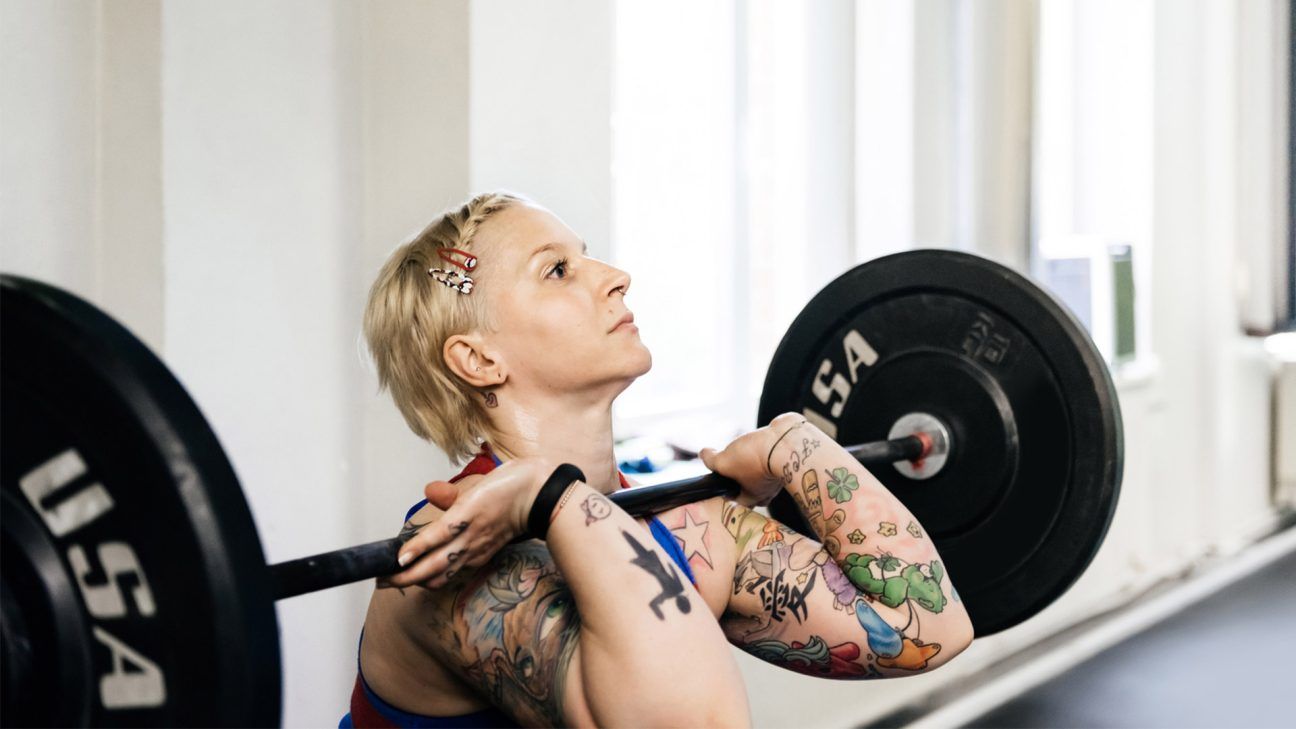
Strength training that targets the chest and back includes pushups, rows, chest presses, and lat pulldowns. Parents and teenagers benefit from incorporating these movements into regular exercise routines. The American Heart Association recommends adults perform muscle-strengthening activities at least two days per week.
The protective effect appears to work through multiple mechanisms. Strong muscles improve metabolic health, help regulate blood pressure, and support better overall cardiovascular function. Building upper body strength also correlates with more consistent exercise habits and healthier lifestyle choices overall.
For families, this translates into practical steps. Include resistance training in weekly workouts. Encourage teenagers to strength train alongside cardio activities like running or cycling. Even bodyweight exercises at home provide benefits.
The data doesn't require expensive gym memberships or equipment. Resistance bands, dumbbells, or structured bodyweight routines all build the protective muscle mass researchers identified. Starting early with strength training habits sets up lifelong cardiovascular protection.
Parents wanting to model healthy behavior can exercise alongside their children. Family walks followed by home strength sessions create accountability and demonstrate health as a shared priority, not a chore.