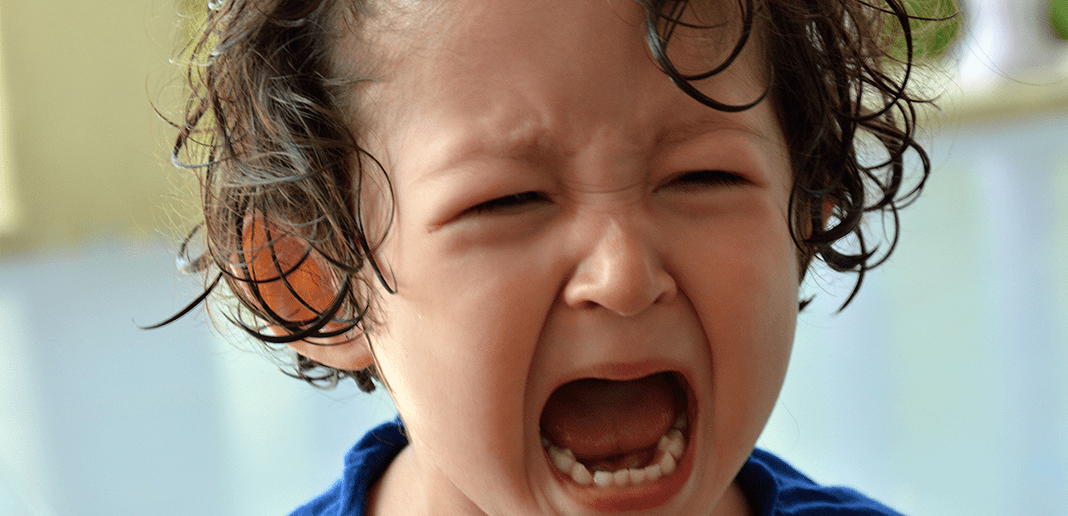
Children's explosive outbursts can leave parents feeling helpless and unsafe. When kids lose control, screaming, cursing, and throwing objects, the behavior threatens everyone in the household. Understanding what drives these meltdowns helps families respond more effectively.
Explosive behavior often stems from poor emotion regulation skills. Some children lack the ability to recognize and manage their feelings before they escalate. Others have underlying conditions like ADHD, anxiety, or oppositional defiant disorder that make emotional control harder. Still others have experienced trauma that leaves them reactive and defensive.
The Child Mind Institute notes that parents need practical strategies to stay safe during these episodes. De-escalation techniques work better than punishment. Staying calm, using a quiet voice, and giving space during peak meltdown prevents escalation. Once the child regains control, parents can address what happened and teach skills for next time.
Teaching emotion identification helps prevent future outbursts. Kids who can name feelings ("I'm frustrated") rather than act them out have more control. Adults can coach this during calm moments through games, books, and daily conversations. Naming emotions during meltdowns rarely works. Wait until everyone settles.
Prevention matters too. Regular exercise, adequate sleep, and predictable routines reduce emotional volatility. Some kids need snacks or water breaks to regulate better. Others respond well to fidget tools or movement breaks.
Parents should track patterns. What triggers the explosion? Is it transitions, frustration with tasks, overstimulation, or hunger? Spotting the pattern lets parents intervene earlier, when the child is still manageable.
Serious or frequent explosions warrant professional help. A therapist or psychologist can identify underlying conditions and teach evidence-based interventions like cognitive-behavioral therapy or skills training programs. Some families benefit from medication if ADHD or anxiety drives the behavior.
Safety comes first. If a child hurts themselves