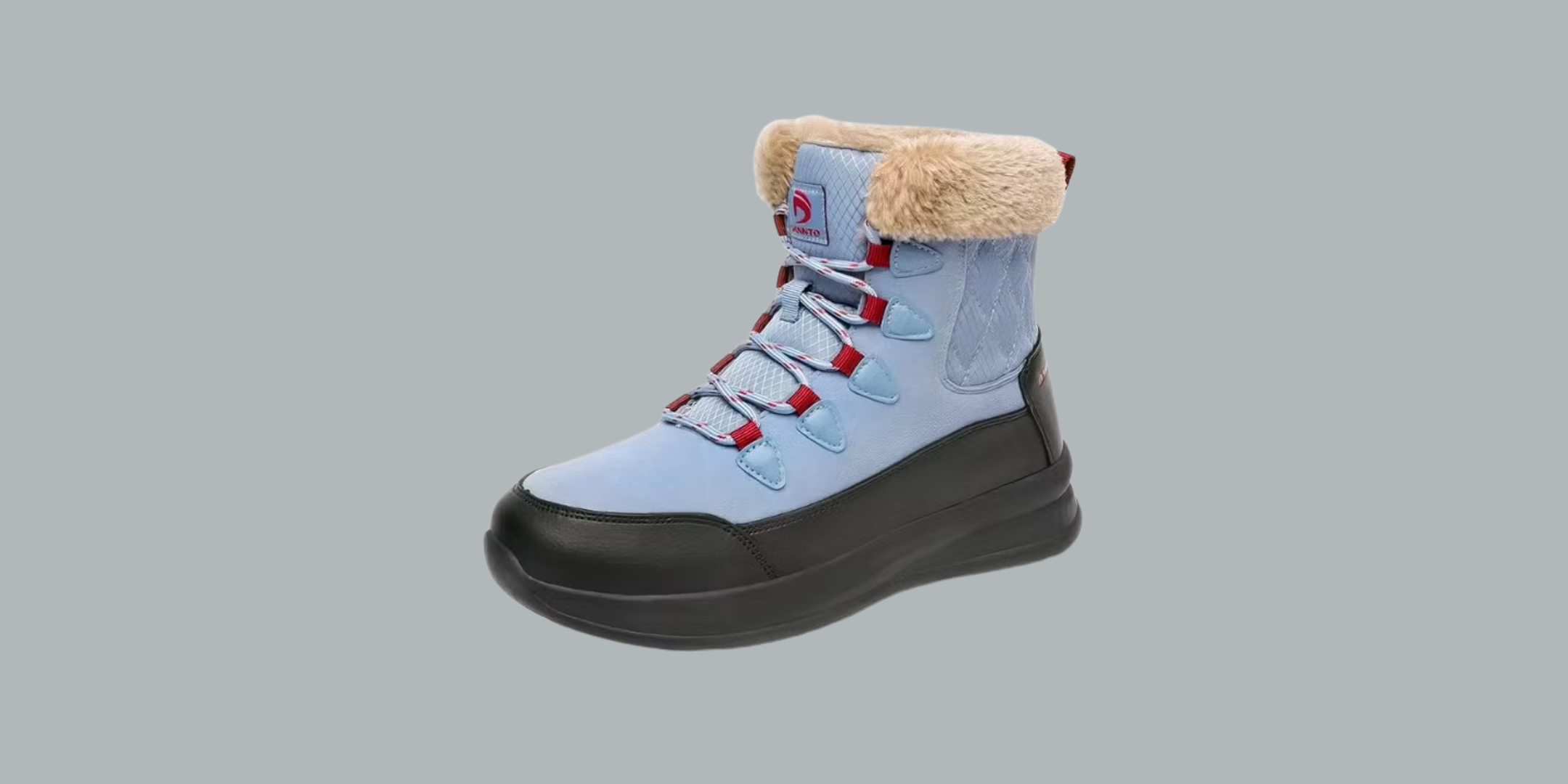
Pregnancy changes how your body carries weight and distributes pressure, making winter footwear selection more than a style choice. The right boots protect your shifting center of gravity while keeping your feet warm during cold months.
Pregnant people need boots with specific features. Look for wide toe boxes that accommodate swelling, which increases as pregnancy progresses. Ankle support matters more now because ligaments soften from the hormone relaxin, destabilizing joints. Slip-on styles beat lace-ups since bending becomes uncomfortable by the third trimester. Waterproof materials protect against falls on icy surfaces, a real hazard during pregnancy when balance suffers.
Heel height stays below one inch. Higher heels shift your weight forward, straining your lower back and increasing fall risk. Thick, textured soles provide traction on slippery surfaces. Memory foam insoles or cushioned footbeds reduce foot pain, a common complaint as extra weight stresses the feet and ankles.
Maternity-specific boot brands include styles from companies like Sorel and Merrell, which offer models with reinforced arch support and roomy fits. Some pregnant people prefer wearing their partner's wider boots if comfort allows. Compression socks worn under boots reduce swelling and improve circulation.
The investment matters. Proper footwear prevents falls, reduces joint pain, and supports proper posture during a time when your body needs stability most. Poor footwear choices can trigger or worsen conditions like plantar fasciitis and sciatica, both common in pregnancy.
Shop for winter boots during your second trimester when swelling patterns stabilize but mobility remains reasonable. Try boots on later in the day when feet are most swollen to ensure proper fit. Walk around the store thoroughly before buying.
Pregnancy winter boot shopping takes planning, but the payoff is significant. Warm, supportive feet mean you