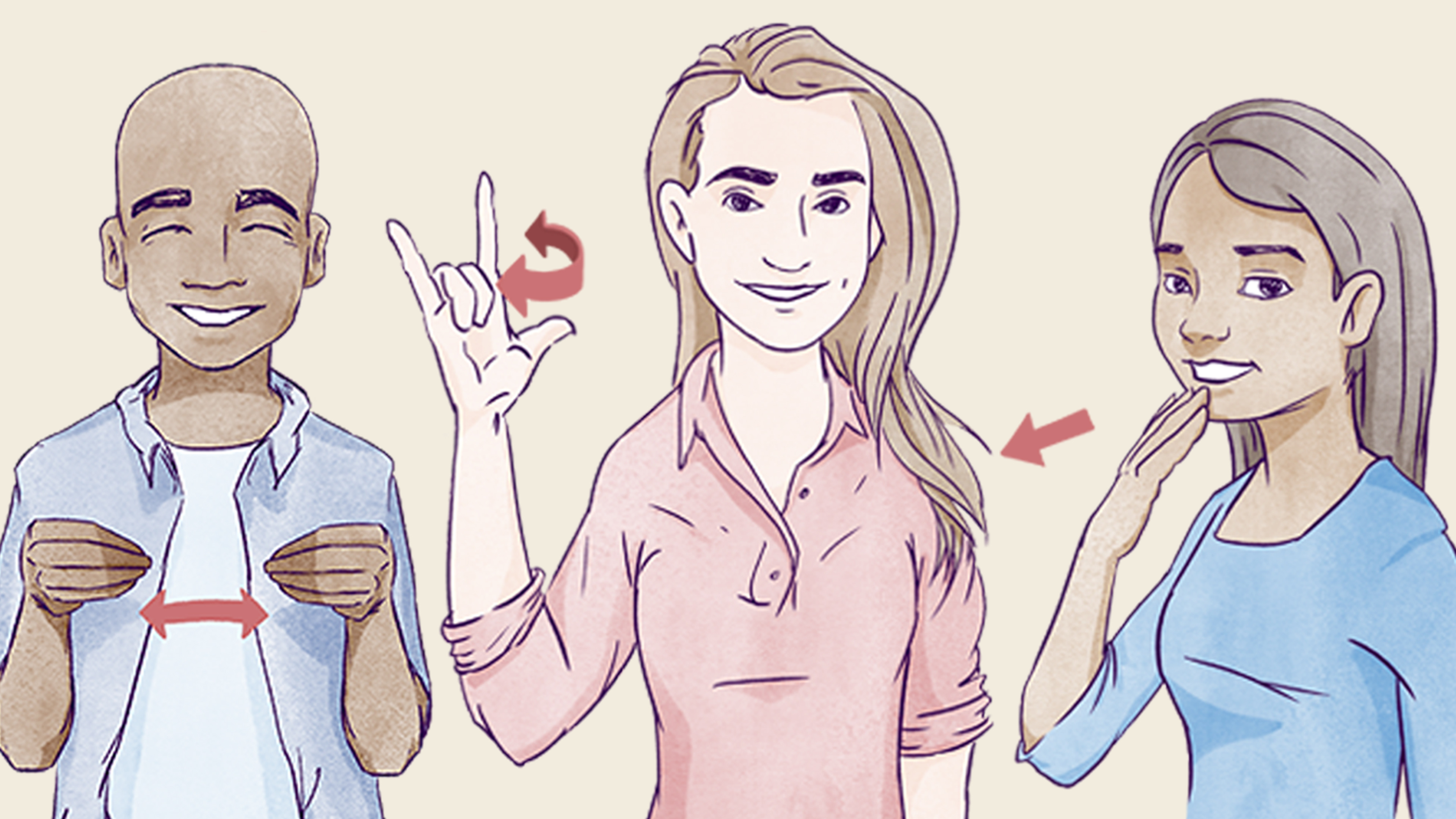
Baby sign language helps babies communicate before they develop spoken language skills. Teaching your baby simple hand signs for common words can reduce frustration during the pre-verbal stage, typically between 6 and 24 months old.
Research supports early signing. A 2015 study published in Child Development found that babies who learned sign language showed earlier communication milestones and stronger language development overall compared to peers who only relied on vocalizations. Babies can physically perform hand signs around 6 to 8 months old, several months before they speak clear words.
The most useful signs for parents to teach include "more," "milk," "all done," "mama," "dada," "water," and "help." Mama Natural's guide includes a visual cheat sheet with the top 20 baby signs, making it easy for parents to learn alongside their infants. The technique works across all families, whether sign language is already part of your household or not.
Getting started requires consistency. Repeat signs during daily routines like feeding and diaper changes. Say the word aloud while making the sign so your baby connects the gesture with language. Most babies pick up their first sign within weeks of consistent exposure.
Parents often notice reduced tantrums when babies can communicate basic needs through signs. A toddler who can sign "more" gets their message across instantly, eliminating the guessing game that leads to frustration. This early success with communication also boosts confidence as babies transition to spoken words.
Baby sign language doesn't delay speech development. Instead, it provides a bridge during the months when motor skills for signing develop faster than vocal control. Bilingual children who grow up using both sign language and spoken language actually show enhanced cognitive benefits, according to research from Gallaudet University.
Start small with three to five signs your family uses most often. Patience matters here. Your baby will understand signs before they can