# What Is TikTok's 3-Color Rule? How 'Eating the Rainbow' Can Boost Weight Loss
A viral trend on TikTok promotes the "3-color rule," a simple framework for building nutritious meals. The concept asks eaters to include at least three different colored foods on their plates at each meal, with the theory that color diversity signals nutrient diversity.
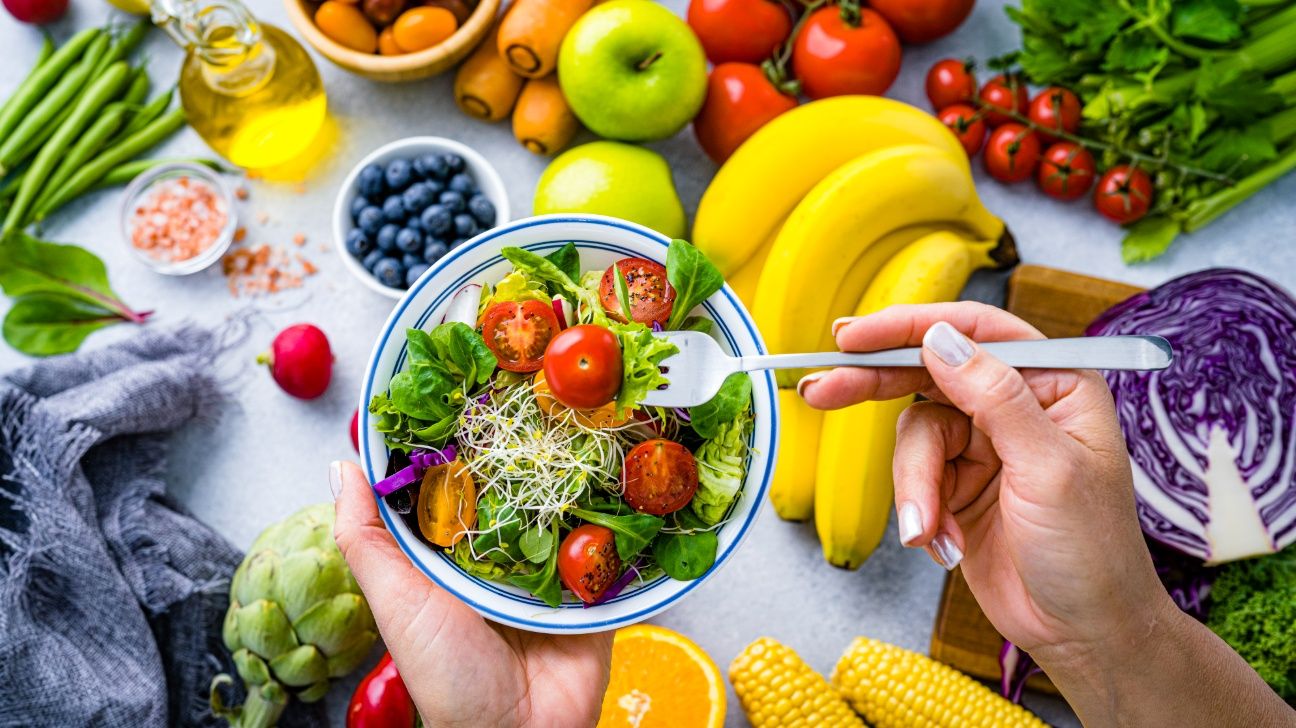
The logic behind the rule holds merit. Different colored produce contains different phytochemicals and nutrients. Red tomatoes offer lycopene. Orange carrots provide beta-carotene. Dark leafy greens deliver iron and calcium. Purple berries contain anthocyanins. By eating the rainbow, families naturally consume a broader spectrum of vitamins, minerals, and antioxidants.
Nutritionists support the underlying principle. A plate with three or more colors typically contains more fiber, which aids digestion and promotes satiety. When children and adults feel fuller longer, they eat fewer calories overall. The approach also makes meals visually appealing, which can encourage kids to eat more vegetables without feeling restricted.
The 3-color rule works because it removes the guesswork from healthy eating. Parents don't need to count calories or memorize nutritional charts. Instead, they ask a simple question: are there at least three different colors on this plate? A breakfast of eggs, spinach, and blueberries qualifies. A lunch pairing grilled chicken with sweet potato and broccoli does too.
This method aligns with established nutrition science without feeling like a diet. Registered dietitians have long recommended the "eat the rainbow" approach as a practical way to ensure balanced nutrition. The TikTok version simply gamifies what experts have advocated for years.
Parents implementing this rule should focus on whole foods rather than artificially colored products. A plate with candy, food dyes, and