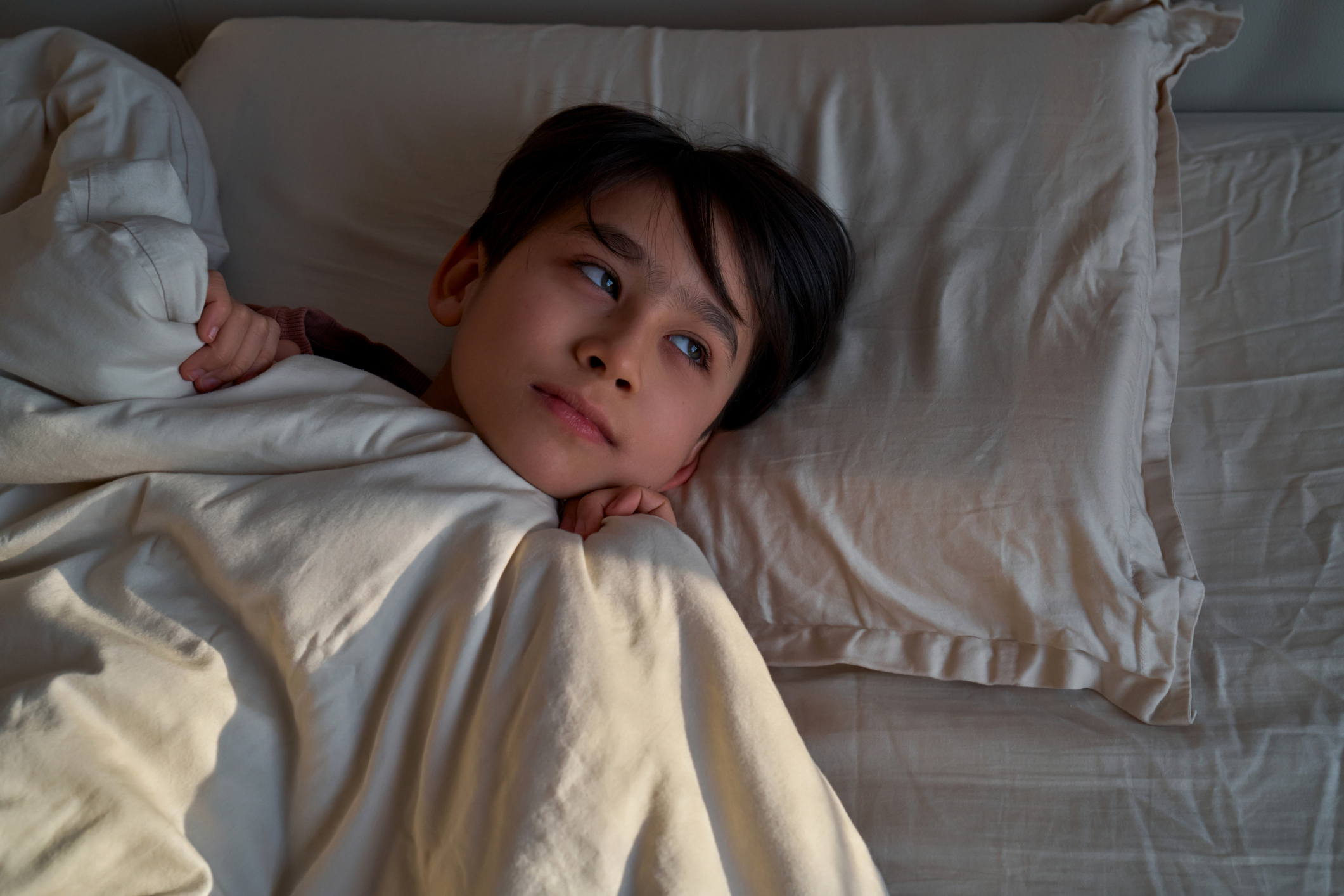
Parents often hear conflicting advice about melatonin for kids. One parent swears by it for their child's bedtime struggles. Another warns it off completely. Finding reliable information matters when your child can't fall asleep.
Melatonin sits on store shelves everywhere, packaged as a "natural" sleep aid. This availability creates the impression that it's automatically safe for children. The reality is more complicated.
The Child Mind Institute addresses this confusion directly. Melatonin is a hormone your body produces naturally to regulate sleep-wake cycles. When children take melatonin supplements, they're introducing an external hormone into their system. The long-term effects of this practice in developing bodies remain understudied.
The American Academy of Pediatrics has not approved melatonin for routine childhood sleep problems. The FDA does not regulate melatonin as a drug, which means manufacturers don't need to prove safety or efficacy the way they do for pharmaceutical medications. Quality and dosage vary widely between brands.
Short-term use appears relatively safe for most children in small doses, typically 0.5 to 3 milligrams. But research on extended use is limited. Some studies suggest melatonin might affect puberty timing, though evidence remains inconclusive. Other concerns include daytime drowsiness, headaches, and dizziness.
Before turning to melatonin, sleep experts recommend addressing root causes. Does your child have a consistent bedtime routine? Are screens removed an hour before bed? Is the bedroom dark and cool? These basics solve many sleep issues without supplements.
If sleep problems persist after establishing healthy habits, talk with your pediatrician before trying melatonin. A doctor can identify underlying issues like anxiety, sleep apnea, or ADHD that might require different approaches. Some children benefit from behavioral sleep therapy, which teaches practical techniques for