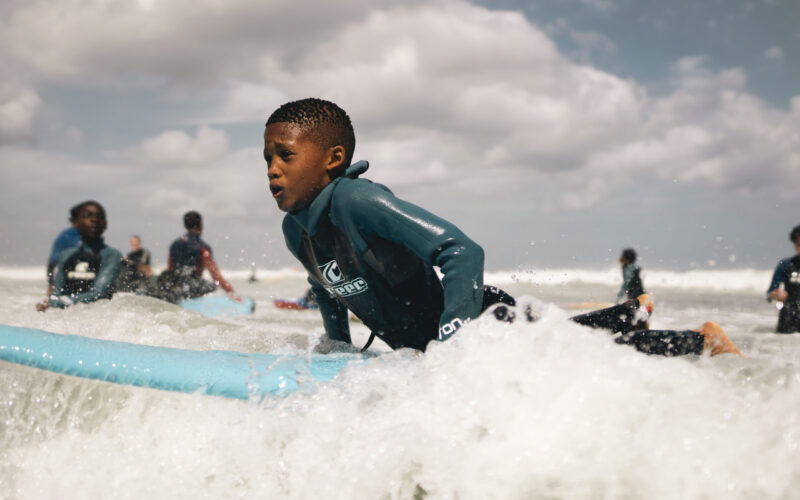
Surf therapy is emerging as a practical, low-intensity mental health intervention for young people worldwide, according to research highlighted by the Stavros Niarchos Foundation Global Center for Child and Adolescent Mental Health at the Child Mind Institute.
The approach combines ocean-based activity with therapeutic support, offering benefits particularly for adolescents struggling with anxiety, depression, and trauma. Organizations like Waves for Change have developed structured programs that pair surfing instruction with mental health counseling in coastal communities across multiple continents.
The appeal lies in accessibility and engagement. Unlike traditional talk therapy, which some teens resist, surfing creates a natural setting for processing emotions. The rhythmic nature of ocean waves, combined with the physical activity and sense of accomplishment from learning to surf, activates multiple therapeutic pathways simultaneously. Research shows water-based therapies can reduce stress hormones and improve mood regulation in adolescents.
Waves for Change operates in countries including South Africa, Indonesia, and Costa Rica, serving vulnerable youth populations. The program demonstrates that young people respond well when therapy happens within activities they find meaningful rather than confined to clinical settings. Participants report increased confidence, better peer connections, and improved emotional resilience after participating in structured surf therapy sessions.
The Child Mind Institute emphasizes that surf therapy works as a complement to traditional mental health care rather than a replacement. For families with access to coastal areas, it represents an evidence-based option worth exploring alongside other interventions like cognitive behavioral therapy or medication when appropriate.
Parents interested in surf therapy should seek programs with trained mental health professionals embedded in the instruction, not just experienced surfers. Legitimate programs combine legitimate therapeutic frameworks with water-based activity. Costs vary by location and program structure, but many community-based organizations offer sliding-scale fees.
The global expansion of surf therapy reflects a broader shift in youth mental health toward meeting young people where they are, literally and figuratively. As adolescent