# Trying to Conceive: Evidence-Based Steps That Work
Couples trying to conceive need clear answers on timing and fertility boosters. Understanding ovulation windows and lifestyle factors dramatically improves conception odds.
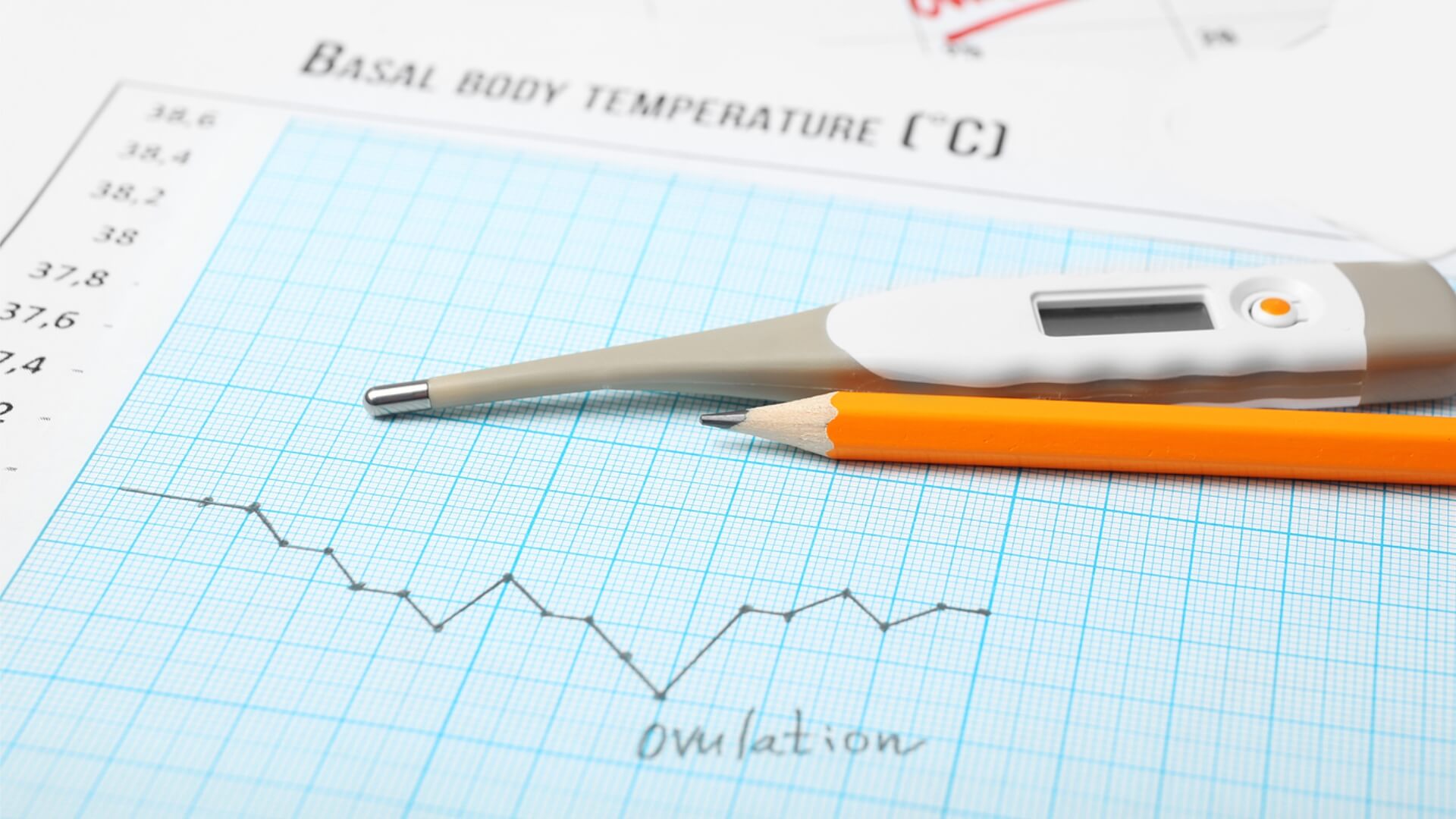
Timing intercourse around ovulation matters most. Conception happens when sperm meets an egg during the fertile window, which spans five days before ovulation and the day of ovulation itself. Women ovulate about 14 days before their next period begins. Tracking ovulation through basal body temperature, cervical mucus changes, or ovulation predictor kits helps pinpoint this window. Apps like Clue and Natural Cycles use these methods to identify fertile days with reasonable accuracy.
Lifestyle changes boost fertility for both partners. Research shows that maintaining a healthy weight, exercising regularly, and eating a nutrient-dense diet improves egg and sperm quality. Prenatal vitamins containing folic acid should start before conception to prevent neural tube defects. Men benefit from avoiding heat exposure to the testicles, limiting alcohol, and quitting smoking, as these factors damage sperm health.
Sleep and stress management matter too. Poor sleep disrupts hormone production needed for ovulation and sperm production. Chronic stress elevates cortisol levels that interfere with reproductive hormones. Couples benefit from prioritizing seven to nine hours of sleep nightly and incorporating stress-reduction practices like meditation or yoga.
Tracking your cycle provides useful information. Many couples don't realize they're timing intercourse incorrectly. Cycle tracking reveals patterns and helps identify potential issues like irregular ovulation or short luteal phases. This information becomes valuable if conception doesn't happen within 12 months of trying (six months if over 35), signaling when to consult a fertility specialist.
Fertility specialists recommend getting a preconception checkup. This appointment screens for infections, reviews medications that might affect fertility