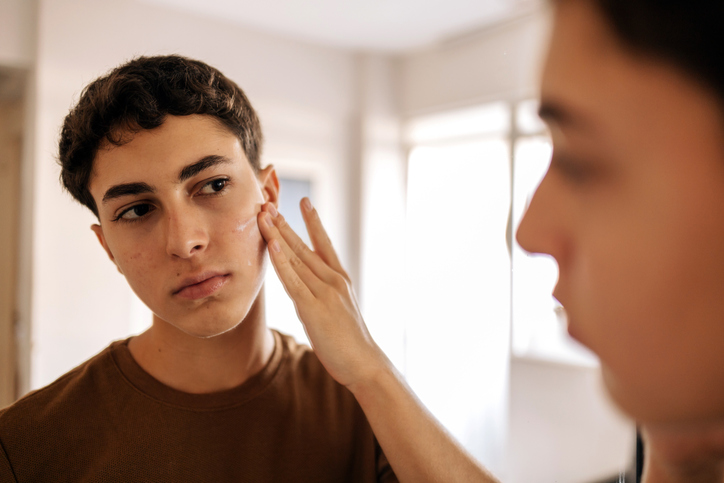
Looksmaxxing, the social media trend focused on optimizing physical appearance through fitness, grooming, and sometimes cosmetic procedures, is reshaping how boys view their bodies and self-worth. The trend gained mainstream attention after Saturday Night Live mocked looksmaxxing influencers, but the underlying impact on young males deserves serious consideration.
Boys are consuming content from looksmaxxing influencers who promote extreme fitness routines, specific diets, and grooming techniques to achieve an idealized male physique. This constant exposure to curated "before and after" transformations feeds into body image concerns that researchers have traditionally associated with girls and eating disorders.
Child Mind Institute experts warn that the trend carries real psychological risks. Boys absorbing these messages internalize the belief that their worth depends on physical appearance. They may develop unhealthy relationships with exercise, nutrition, and their bodies overall. The pressure intensifies on platforms like TikTok and Instagram, where looksmaxxing content spreads rapidly and algorithms amplify extreme examples.
The concern extends beyond vanity. Body dysmorphia, anxiety, and depression can develop when boys feel they cannot achieve the unrealistic standards promoted online. Some turn to supplements, restrictive eating, or excessive training. Others experience social withdrawal if they believe they don't measure up.
Parents should recognize that looksmaxxing isn't just about fitness enthusiasm. It reflects deeper anxieties about status, attractiveness, and belonging that adolescents experience. Having open conversations about social media expectations helps. Encourage sons to follow diverse role models, question unrealistic transformations, and build confidence beyond appearance.
Monitor your son's social media consumption and fitness interests. Notice if he's becoming obsessed with his appearance, spending excessive time exercising, or expressing dissatisfaction with his body. These signals warrant conversations with a counselor or therapist who specializes in adol