# Gut Health in Kids: What Parents Should Watch For
Your child's digestive system affects far more than just their bathroom habits. The gut microbiome—the trillions of bacteria living in the digestive tract—influences mood, skin clarity, energy levels, and immune function. When this bacterial balance tips, children often show warning signs parents shouldn't ignore.
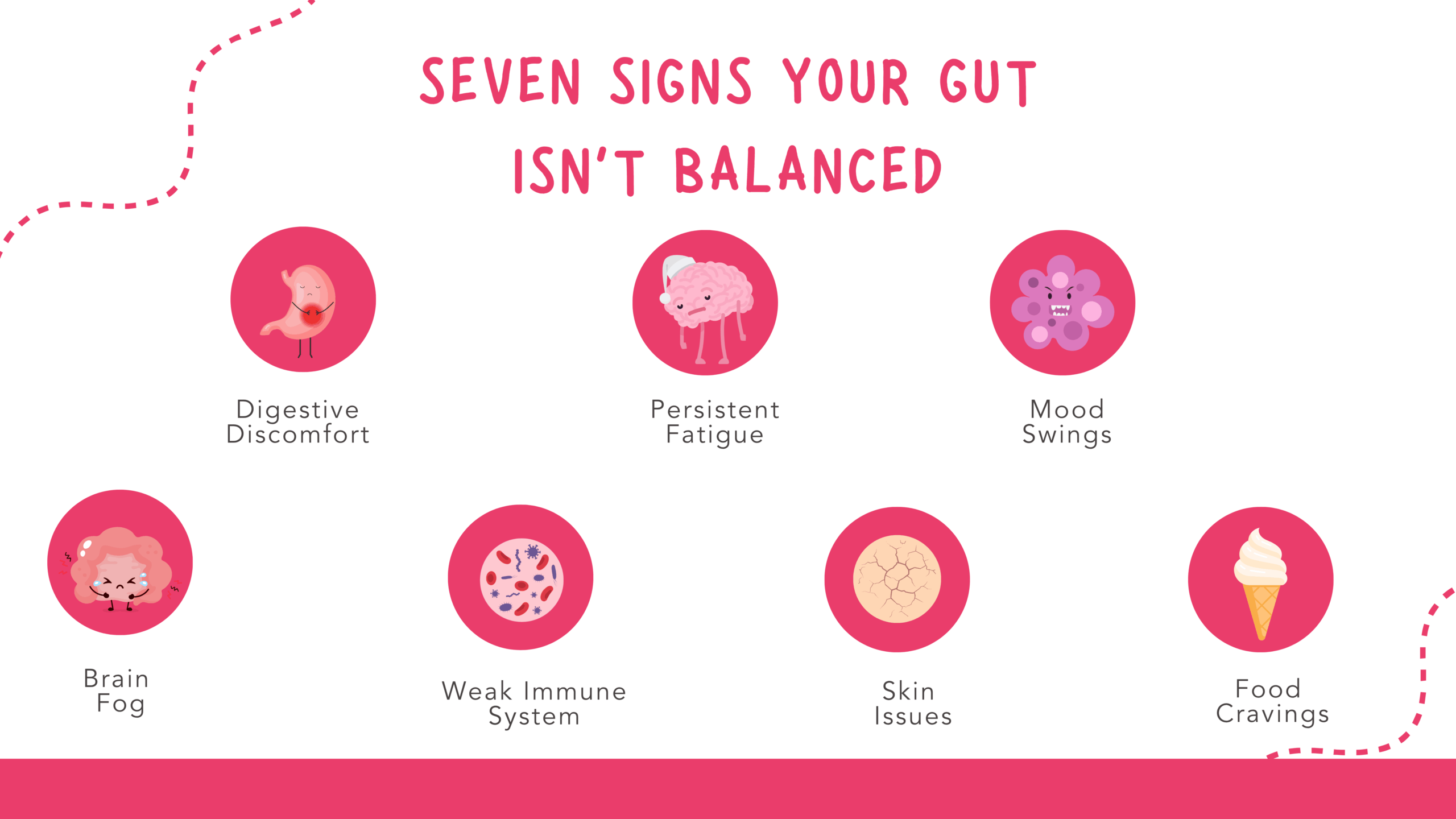
Common indicators of gut imbalance include persistent bloating, unexplained skin breakouts, frequent mood swings, and chronic fatigue. Some children also experience brain fog, difficulty concentrating, or sudden food sensitivities. Digestive issues like constipation or diarrhea serve as obvious red flags, but subtler symptoms matter too. A child who seems emotionally volatile or struggles with focus may actually have a gut health problem.
The gut-brain connection runs deep. Research shows the vagus nerve directly links digestive health to mood regulation and stress response. Nutritionists and pediatric gastroenterologists increasingly recognize that behavioral changes often trace back to microbiome disruption caused by antibiotics, processed foods, low fiber intake, or chronic stress.
Parents can support gut health through practical diet changes. Fermented foods like yogurt, kefir, and sauerkraut introduce beneficial bacteria. Fiber from vegetables, fruits, and whole grains feeds existing good bacteria. Reducing ultra-processed foods and added sugars starves harmful bacteria that thrive on these inputs.
Consider keeping a symptom journal. Note when breakouts occur, mood shifts happen, or bloating worsens alongside what your child eats. Patterns emerge quickly. If symptoms persist despite dietary adjustments, consult your pediatrician or a pediatric gastroenterologist. They can test for specific imbalances and recommend targeted probiotics or dietary interventions.
Every child's gut microbiome differs based on genetics, birth method,