# U.S. Military to Screen for Low Testosterone. Why Experts Are Concerned
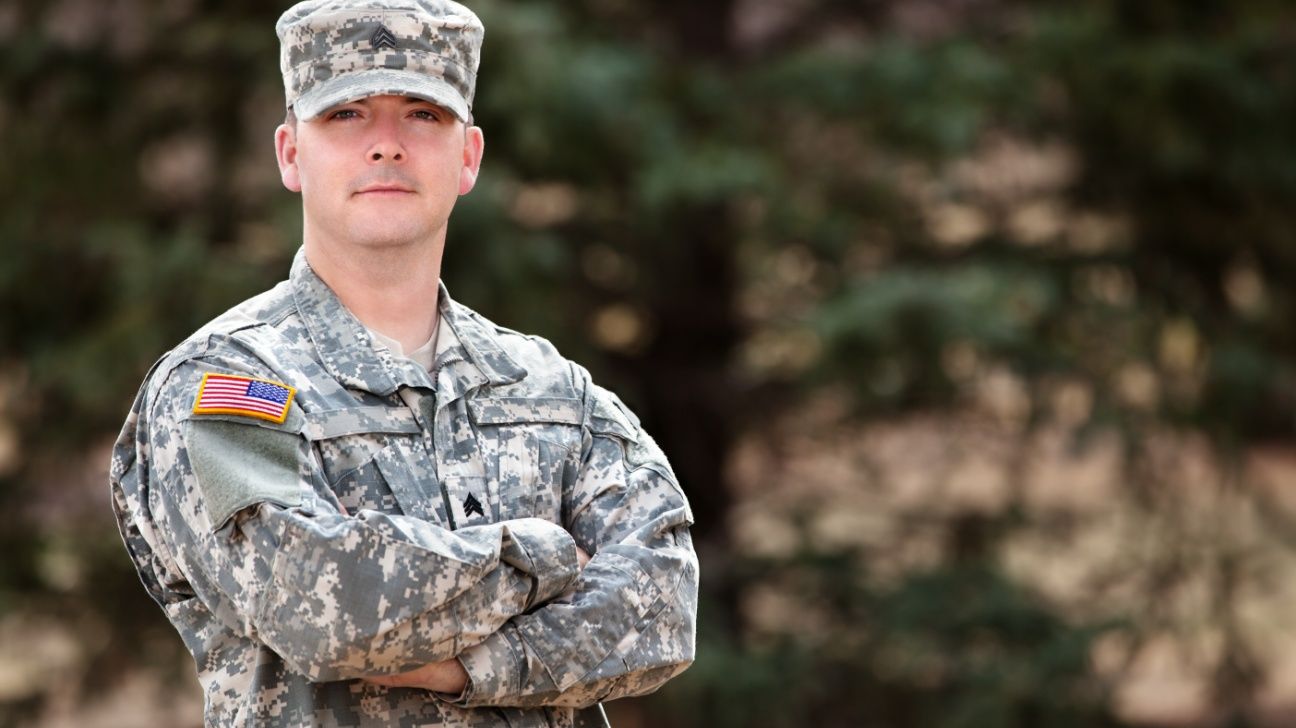
The U.S. military plans to implement routine testosterone screening for service members, a move that has sparked debate among medical professionals and researchers about potential overdiagnosis and unnecessary treatment.
The screening program targets active-duty personnel and aims to identify low testosterone, or hypogonadism, which can affect physical performance, energy levels, and mood. Military leaders frame the initiative as a way to optimize soldier readiness and address health concerns that may impact operational effectiveness.
However, medical experts raise several red flags. Testosterone levels naturally fluctuate based on age, stress, sleep, and overall health. A single low reading does not always indicate a clinical problem requiring treatment. Dr. Abraham Morgentaler, an endocrinologist and testosterone researcher, cautions that routine screening without clear clinical symptoms can lead to overtreatment. Testosterone replacement therapy carries real risks, including increased cardiovascular events, blood clots, and other side effects that may outweigh benefits in asymptomatic individuals.
The concern centers on distinguishing genuine hypogonadism from temporary dips caused by stress, poor sleep, or normal variation. Military personnel face unique stressors, including deployment, training intensity, and irregular schedules, all of which suppress testosterone naturally and temporarily.
The Endocrine Society has long recommended against screening asymptomatic men for low testosterone. The organization emphasizes that symptoms should guide testing, not routine lab work in otherwise healthy populations.
For families with military members, understanding this development matters. Service members experiencing genuine fatigue, mood changes, or physical decline should discuss symptoms with military medical providers. However, a single low testosterone reading does not automatically warrant hormone replacement therapy.
Parents of military-age children should encourage their service members to ask questions about any testosterone treatment recommendations and seek second opinions from civilian endocrin