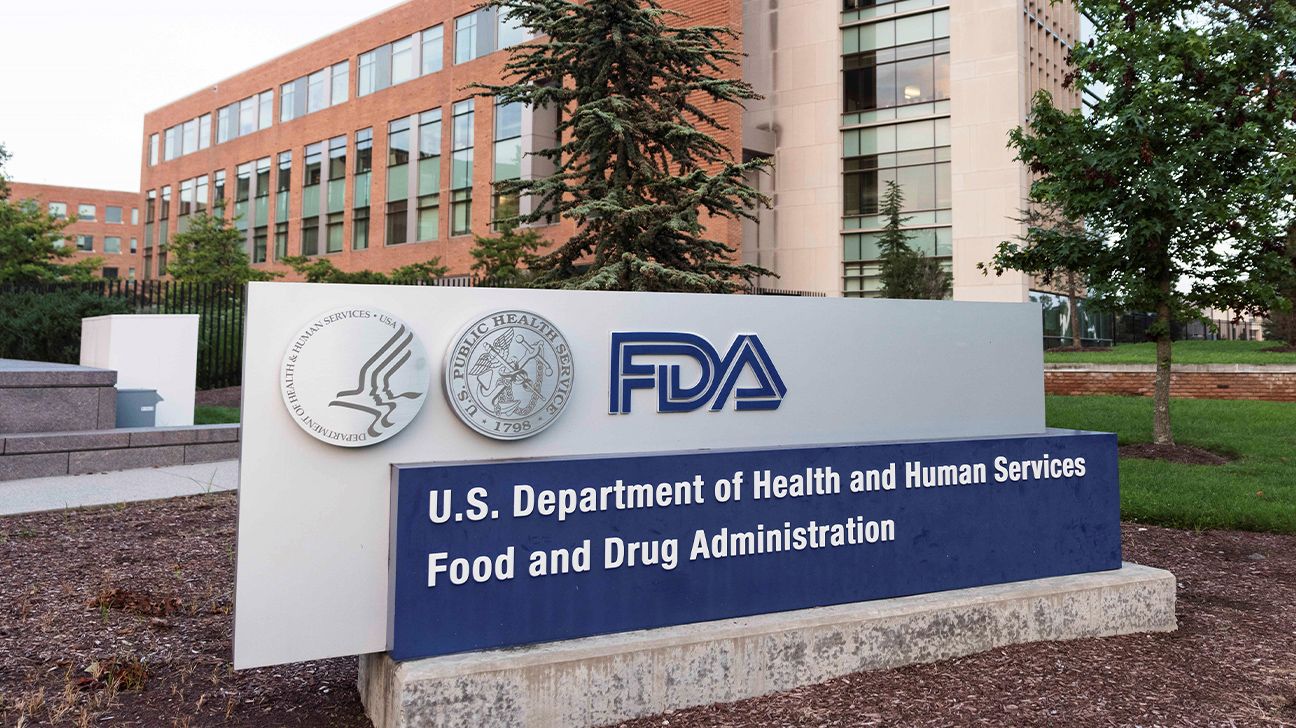
The FDA is considering relaxing rules around compounded peptides, medications mixed by pharmacies rather than manufactured by pharmaceutical companies. This move comes despite warnings from the agency's own scientists about safety risks.
Compounded peptides like semaglutide (the active ingredient in Ozempic and Wegovy) and tirzepatide (Zepbound and Mounjaro) have exploded in popularity. Patients turn to compounded versions because they cost less than brand-name drugs. A vial of compounded semaglutide might run $150 to $300, while Wegovy costs over $900 per month without insurance.
The problem is quality control. Compounded medications don't undergo the same rigorous testing as FDA-approved drugs. The FDA has documented contamination, incorrect dosing, and bacterial growth in compounded peptide products. Reports show patients experiencing serious side effects including infections, organ damage, and hospitalization.
Pharmacists argue they follow proper procedures and that compounding fills a gap for patients who can't afford brand names. They contend that easing restrictions would expand access to weight-loss and diabetes medications that many families desperately need.
Pediatricians and obesity specialists worry about children using unregulated compounded versions. Kids may receive inaccurate doses, leading to serious health consequences. The American Academy of Pediatrics has raised concerns about compounded GLP-1 drugs in young people.
For parents considering compounded peptides for their teens or children with obesity, experts recommend consulting their pediatrician first. The American Medical Association warns that compounded versions lack proof of sterility and potency. If cost is the barrier, families should explore manufacturer assistance programs, insurance appeals, or discussing alternatives with their doctor.
The FDA's decision could come within months. Until then, the safest path forward remains brand-name medications when possible,