# Trying to Conceive: What The Research Says
Couples trying to conceive often search for answers about timing and fertility boosters. The science offers practical guidance that cuts through the noise.
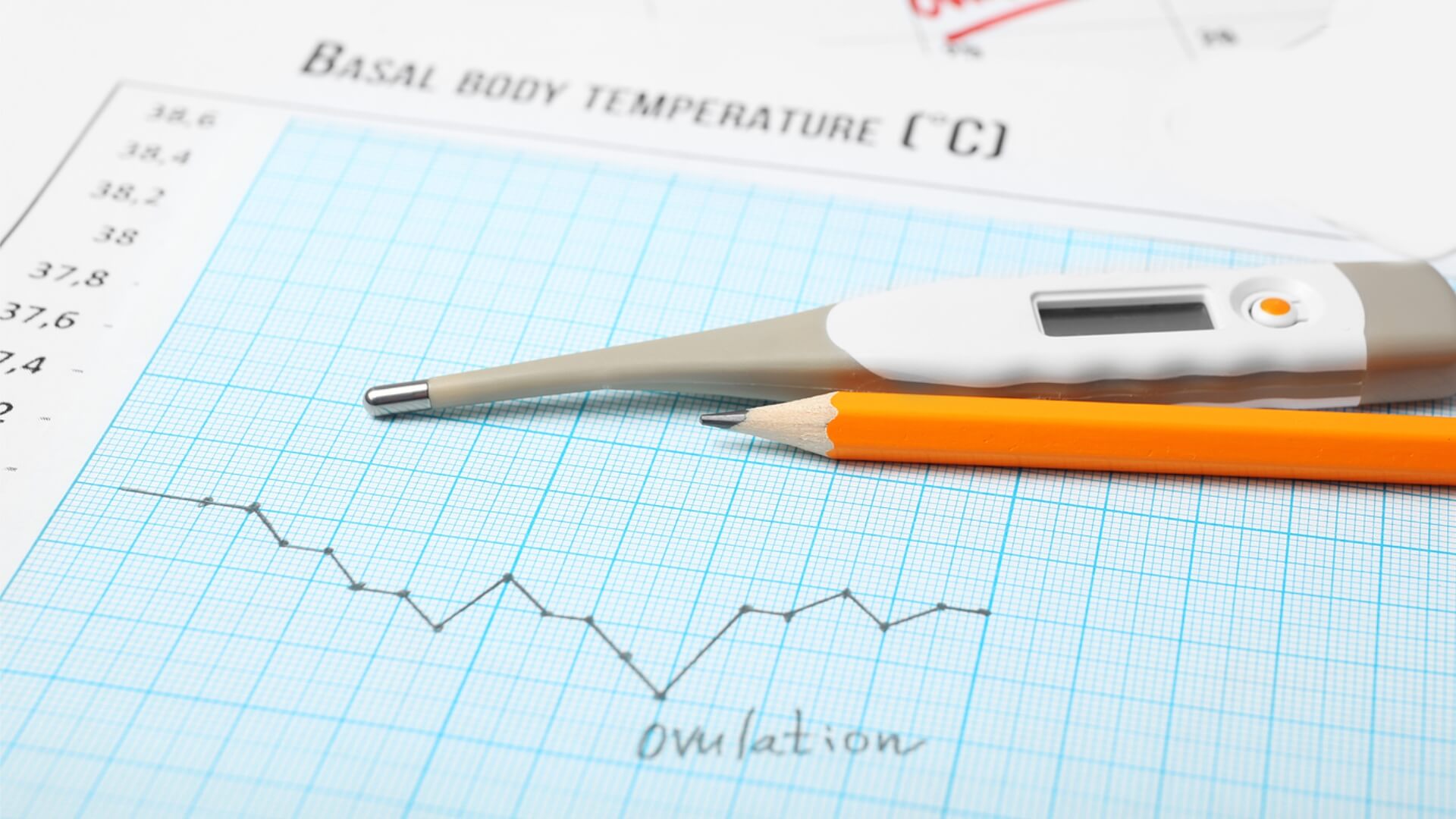
Timing matters, but less than many people think. Most fertile window discussions focus on the five days before ovulation and the day of ovulation itself. Sperm survives for up to five days in the reproductive tract, so intercourse during this window increases conception odds. Tracking ovulation through basal body temperature, ovulation predictor kits, or apps like Fertility Friend helps identify this window with reasonable accuracy. The American College of Obstetricians and Gynecologists recommends intercourse every two to three days throughout the cycle rather than obsessing over perfect timing, since this approach removes stress and maintains consistent sperm availability.
Lifestyle factors support fertility in both partners. Regular exercise, maintaining a healthy weight, and managing stress all boost conception rates. The Centers for Disease Control notes that obesity in both men and women reduces fertility. Reducing alcohol, eliminating smoking, and limiting caffeine (the evidence on caffeine is weaker, but some studies suggest moderation helps) create a healthier reproductive environment.
Nutrition matters too. Folate supplementation for at least one month before conception reduces neural tube defects and supports egg quality. Prenatal vitamins containing folic acid serve this purpose. Men benefit from antioxidant-rich foods and adequate zinc, which supports sperm health.
When to seek help matters. The American College of Obstetricians and Gynecologists recommends consulting a fertility specialist after one year of unsuccessful attempts for women under 35, or after six months for women 35 and older. Male factor infertility accounts for roughly 40 percent of conception difficulties, so both partners benefit from evaluation.
Getting adequate sleep, managing stress through meditation or therapy