# What Is TikTok's 3-Color Rule? How 'Eating the Rainbow' Can Boost Weight Loss
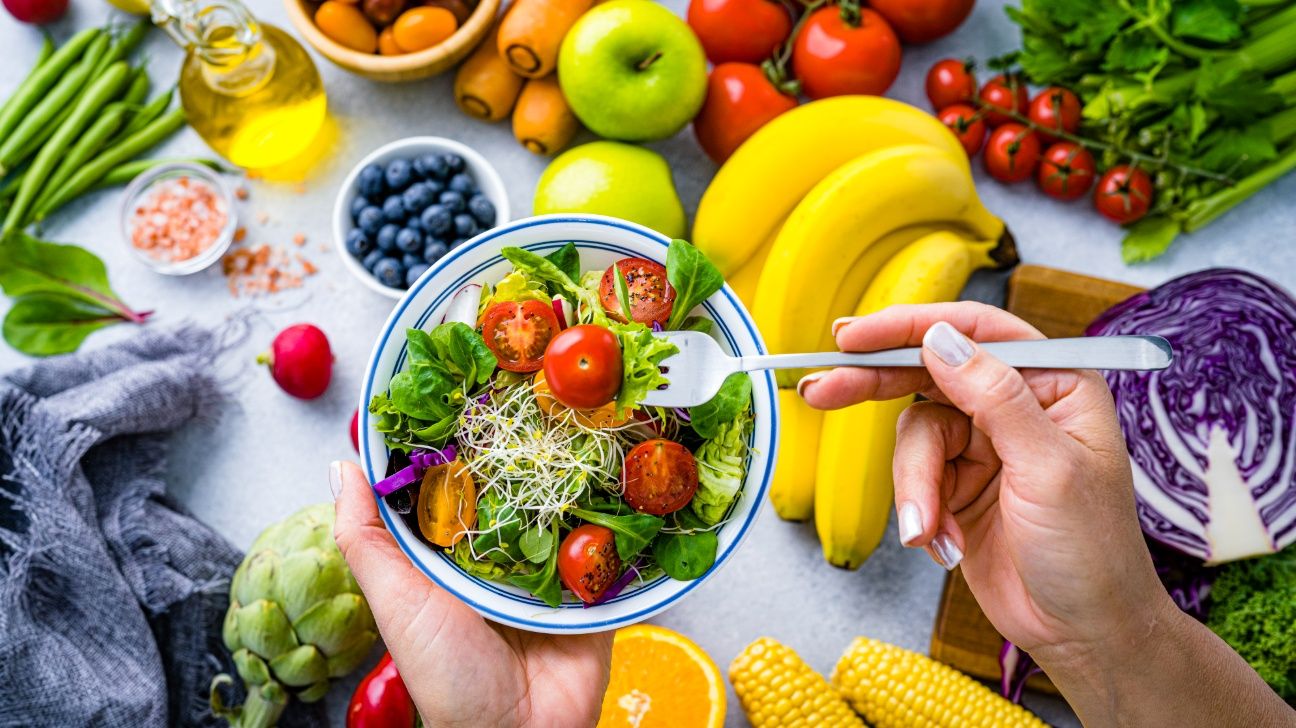
A viral TikTok trend promotes a simple eating strategy called the "3-color rule," which encourages people to include at least three different colored foods at each meal. The concept taps into the broader nutritional principle of "eating the rainbow," where colorful fruits and vegetables provide different nutrients and phytonutrients.
The 3-color rule works because different food colors contain distinct beneficial compounds. Red and pink foods like tomatoes and strawberries contain lycopene and anthocyanins. Orange and yellow foods like carrots and sweet potatoes provide beta-carotene. Green vegetables deliver lutein and isothiocyanates. Purple foods contain resveratrol. This variety ensures families consume a wider spectrum of vitamins, minerals, and antioxidants in a single meal.
Nutritionists support this approach because it naturally leads to portion control and higher vegetable intake. When meals feature three different colored vegetables or fruits, processed foods typically occupy less space on the plate. Research published in nutrition journals shows that increasing produce variety predicts better weight management outcomes compared to restrictive dieting approaches.
For families adopting this strategy, practical examples work well. A dinner plate might include grilled salmon (orange-pink), broccoli (green), and roasted red peppers (red). Breakfast could feature blueberries (blue-purple), spinach (green), and orange slices. Snack combinations might pair carrots (orange), hummus (beige), and grapes (red or green).
Parents appreciate the 3-color rule because it avoids complicated calorie counting or elimination diets. Instead, it creates a visual framework that children can understand and participate in selecting foods. The strategy naturally increases fiber intake, which supports