# Finding Answers When Your Child Is Struggling: Introducing Ask Kai
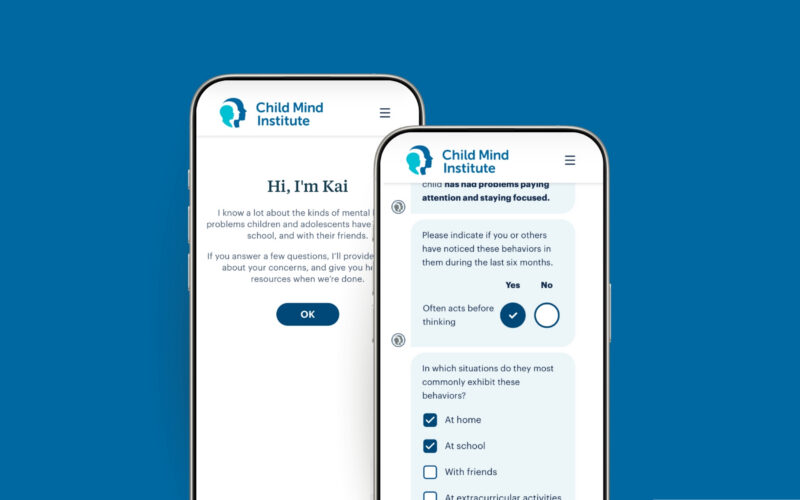
The Child Mind Institute has launched Ask Kai, a conversational symptom checker designed to help parents navigate their child's behavioral and emotional challenges. The tool works by allowing parents and caregivers to describe their child's symptoms or behaviors through conversation, then provides guidance on what those signs might indicate and suggests appropriate next steps.
Ask Kai fills a real gap for families. Parents often struggle when a child shows troubling behaviors, academic difficulties, or emotional changes. Many don't know whether they're witnessing typical childhood development, stress responses, or something that warrants professional evaluation. This uncertainty can delay getting help or lead to unnecessary worry.
The tool operates like a digital conversation partner rather than a diagnosis engine. Parents describe what they're seeing, asking things like "my child won't go to school" or "she seems constantly anxious." Ask Kai asks clarifying questions to understand the full picture, then explains what patterns might be at play and what resources could help.
This approach aligns with how child psychologists actually work. The Child Mind Institute, a leading nonprofit focused on children's mental health, built Ask Kai to reflect expert knowledge about developmental differences, anxiety, ADHD, learning disabilities, and other conditions parents encounter.
The tool isn't meant to replace professional diagnosis. Instead, it helps parents decide their next move. Should they talk to their pediatrician? Schedule a school evaluation? Look into anxiety management strategies? Ask Kai provides evidence-based suggestions tailored to what parents describe.
For families without easy access to child mental health specialists, Ask Kai offers immediate, judgment-free guidance. Rural families, families with financial barriers, and those on waitlists for evaluations often benefit most from having clearer direction.
The platform represents how digital tools can extend expert resources. Parents get structured support for understanding their child's struggles at any