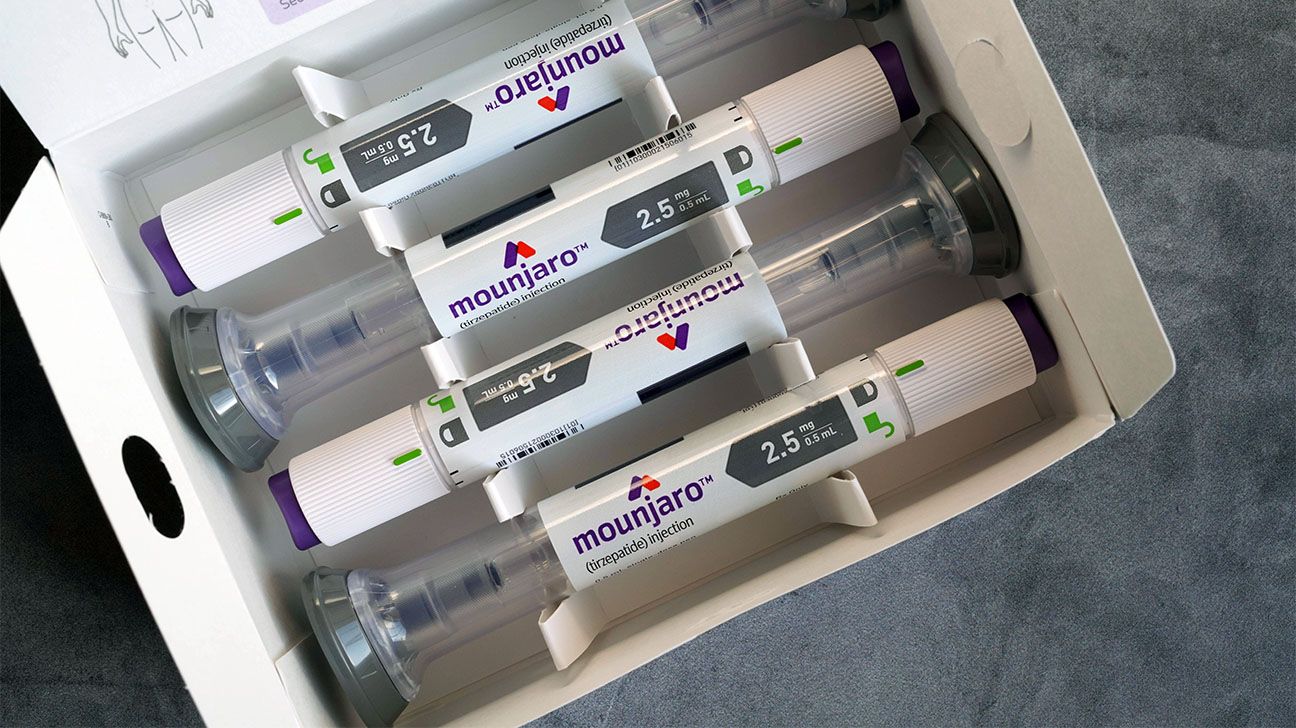
Generic versions of Mounjaro and Zepbound, two popular GLP-1 medications used for type 2 diabetes and weight management, may become available in the coming years. Federal regulators have signaled they will likely approve generic alternatives to tirzepatide (the active ingredient in both drugs), potentially creating more affordable options for families struggling with medication costs.
Mounjaro treats type 2 diabetes, while Zepbound addresses chronic weight management. Both medications have gained enormous popularity but carry steep price tags that insurance often doesn't fully cover. Generic competition could reshape access for millions of American families.
The timeline remains uncertain. Patent protections typically last several years before generic manufacturers can produce and sell their own versions. However, regulatory pathways already exist for generic GLP-1 drugs, suggesting the approval process could move faster than some anticipate.
This development matters for families in several ways. First, it offers hope for affordability. Brand-name Mounjaro and Zepbound can cost hundreds of dollars monthly without insurance coverage. Generics historically cost 80 to 90 percent less than their brand-name counterparts. Second, it signals that GLP-1 medications will remain central to diabetes and weight management treatment for years ahead. Third, increased competition may prompt brand manufacturers to adjust pricing strategies.
Parents managing their own type 2 diabetes or weight should continue discussing current medication options with their doctors. Insurance coverage varies widely, and patient assistance programs from manufacturers like Eli Lilly (which makes Mounjaro and Zepbound) currently help reduce costs. Some families qualify for free or reduced-price medications through existing programs.
The broader context involves competing GLP-1 drugs from Novo Nordisk (Ozempic for diabetes, Wegovy for weight loss) and Amgen's MariTide, all in various stages of