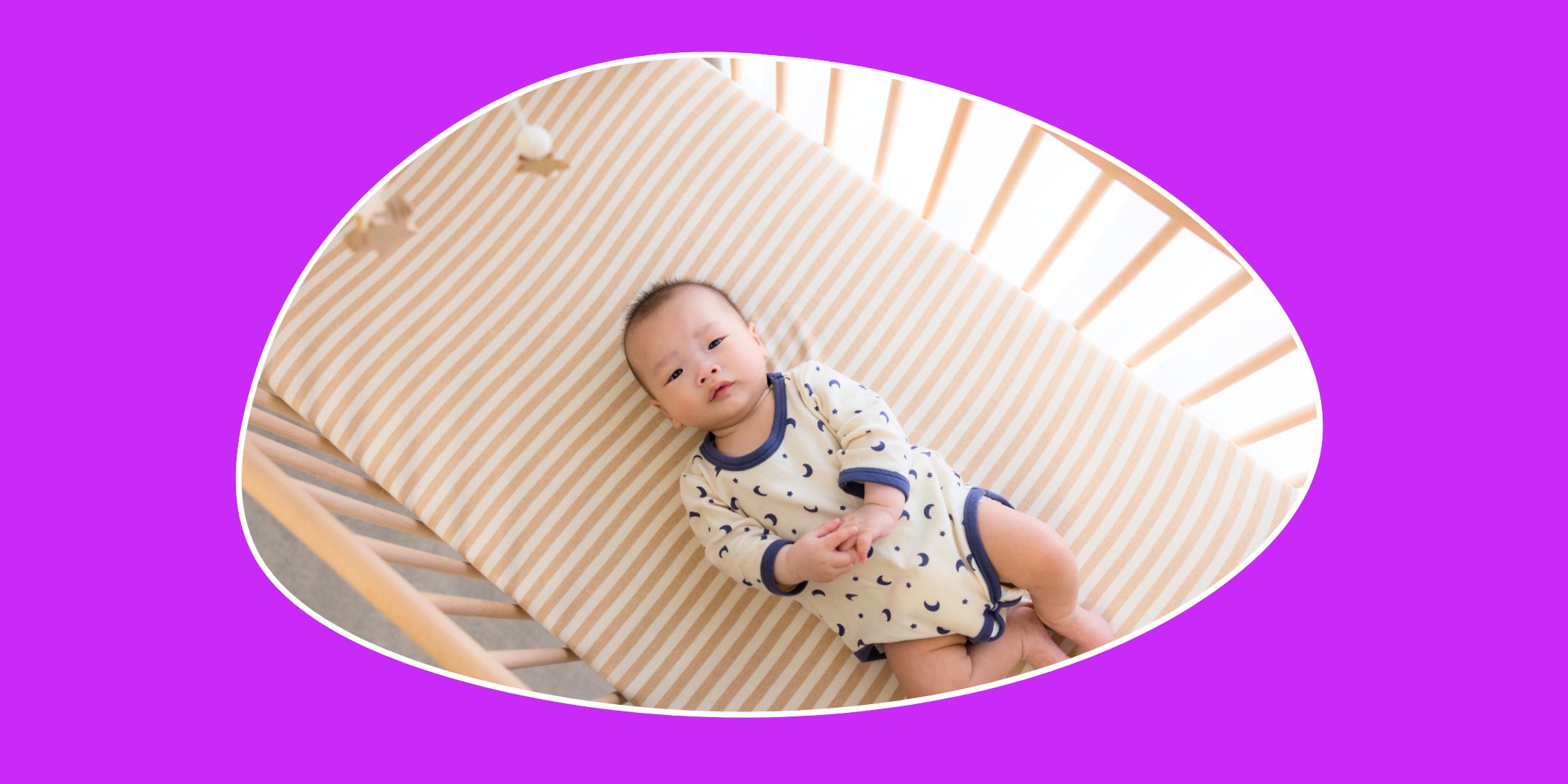
Babies who fight sleep often wear exhaustion like an invisible cloak, their resistance actually signaling deep tiredness rather than a lack of sleepiness. When infants become overtired, their nervous systems flood with cortisol and adrenaline, making it harder for them to settle down even as their bodies desperately need rest.
Recognizing overtiredness matters because catching it early prevents a frustrating cycle. Watch for these signs: intense eye-rubbing, arching the back, sudden hyperactivity, or inconsolable crying during what should be wind-down time. Some babies also display jerky movements or fail to make eye contact when overtired.
The solution starts with understanding your baby's wake windows, the stretch of time they can comfortably stay awake based on age. Newborns handle 45 minutes to an hour awake. By three months, that extends to 60 to 90 minutes. Four to six month olds typically manage one and a half to two hours. Watching these windows prevents the overtired spiral from starting.
Create a consistent bedtime routine that signals sleep time to your baby's brain. Bath time, soft music, dimmed lights, and gentle rocking work well for many families. Keep this routine predictable. Consistency teaches your baby's body when rest arrives.
If your baby already fights sleep regularly, resetting their schedule takes patience. Start by identifying how much daytime sleep your baby currently gets, then work backward to understand when they truly need rest. You might need to shift nap times earlier or adjust when you attempt bedtime.
Environmental adjustments help too. A dark room with white noise machines blocks stimulation. Room temperature around 68 to 72 degrees Fahrenheit supports better sleep. Remove toys and objects that might catch your baby's attention during sleep time.
When your baby protests bedtime despite clear overtir