# Remote Heart Monitoring Brings Specialist Care to Rural America
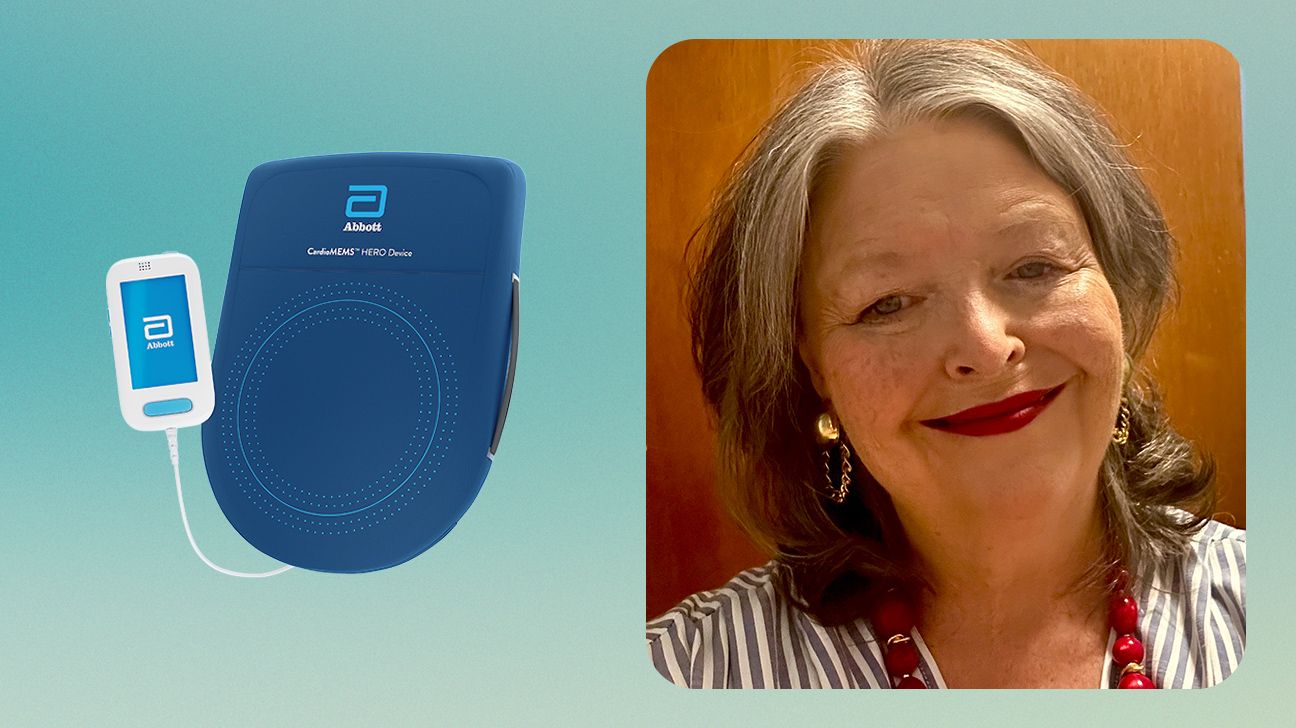
Angie Lindsey faced a stark reality after her heart attack. The nearest heart failure specialist sat hours away in Kansas City, making regular in-person visits nearly impossible from her small Missouri town. Then her care team offered remote monitoring technology that changed everything.
Remote monitoring devices transmit real-time data about heart function directly to specialists' offices. Lindsey's device tracks her heart rhythm, blood pressure, and fluid levels continuously. When problems emerge, doctors catch them before they become emergencies. She no longer needs to drive hours for routine checkups.
This technology addresses a genuine rural health crisis. Nearly 65 million Americans live in areas designated as primary care shortage zones, according to the Health Resources and Services Administration. Heart disease kills more rural residents than urban ones, yet rural patients access cardiologists at roughly half the rate of urban patients.
Remote monitoring flips that equation. Studies published in the Journal of the American College of Cardiology show patients using remote monitoring devices experience 30 percent fewer hospitalizations and 25 percent fewer emergency room visits compared to those receiving standard care. The technology works by flagging subtle changes that signal trouble ahead.
For families, the practical benefits run deep. Lindsey avoids the stress and expense of long drives while receiving better care. She checks in from home during her regular workday. Her doctors respond to alerts within hours instead of waiting for quarterly appointments.
Insurance coverage varies widely. Medicare covers remote monitoring for heart failure patients, but private plans differ by state and employer. Families should ask their cardiologist whether their insurance approves the technology and what costs they'll encounter.
Rural heart patients now have reason for hope. As remote monitoring devices become more common and insurance reimbursement improves, geographic barriers to heart care are finally weakening. For Lindsey and thousands like her, that means better