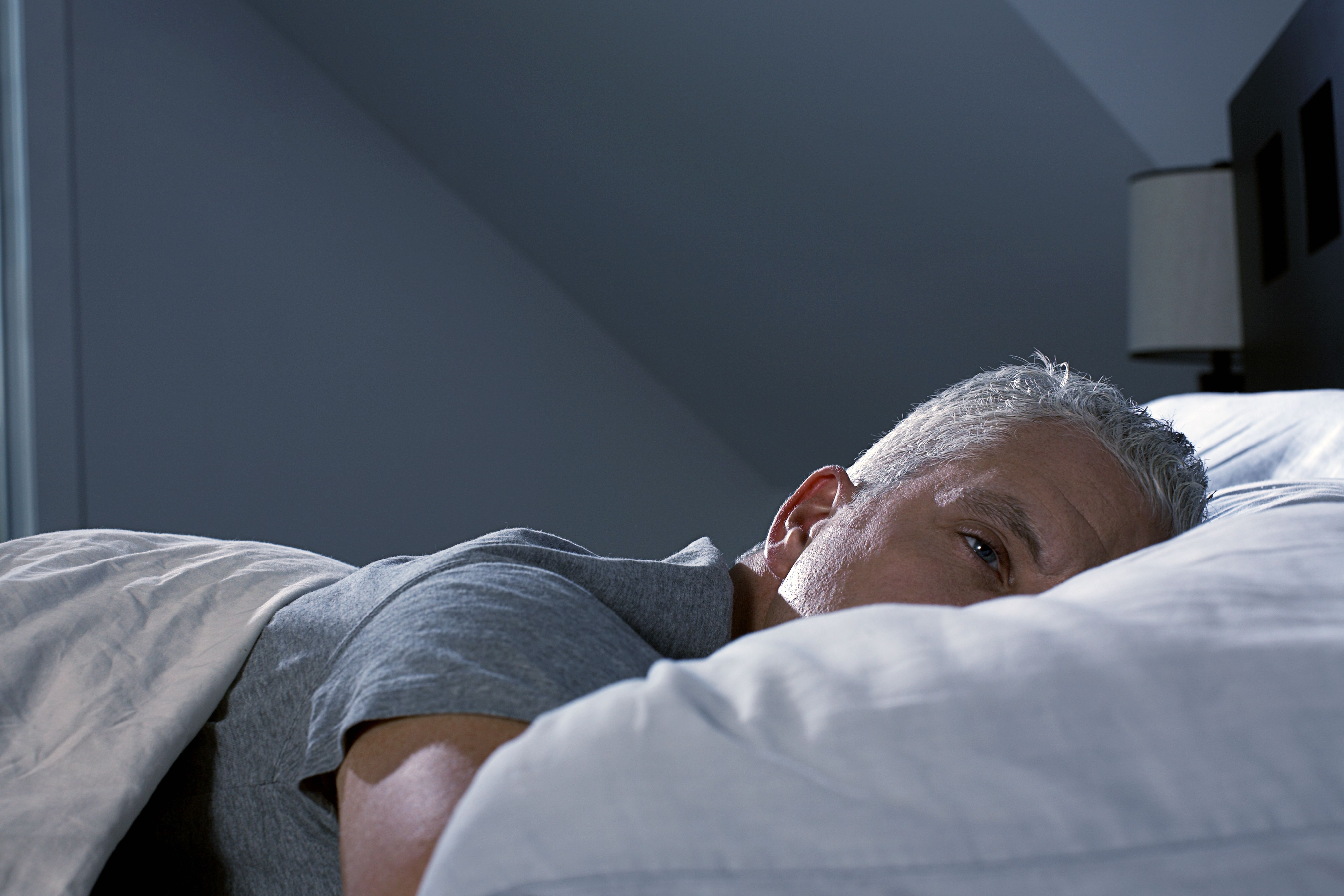
# 13 Tips for Falling Asleep Fast, According to Doctors
Getting to sleep quickly matters for your family's health. Doctors share evidence-based strategies that actually work.
The experts recommend starting with your bedroom environment. Keep the room cool, dark, and quiet. Temperature matters most. Sleep scientists suggest a room around 65-68 degrees Fahrenheit helps your body fall asleep faster. Blackout curtains block light that disrupts melatonin production. White noise machines mask disruptive sounds.
Timing your activities changes everything. Stop using screens 30-60 minutes before bed. Blue light from phones and tablets tricks your brain into thinking it's daytime. Instead, read a physical book or practice gentle stretching.
Your daytime habits set up nighttime success. Regular exercise improves sleep quality, but not within three hours of bedtime. Morning sunlight exposure helps regulate your circadian rhythm. Limit caffeine after 2 p.m. Coffee stays in your system for five to six hours.
Doctors point to the 4-7-8 breathing technique as a fast tool. Breathe in for four counts, hold for seven, exhale for eight. This activates your parasympathetic nervous system and tells your body to relax.
Temperature tricks work beyond cooling your room. A warm bath or shower before bed causes your core temperature to drop afterward, signaling sleep time. Magnesium supplements help some people. Foods like almonds, pumpkin seeds, and spinach contain natural magnesium that supports sleep.
Don't fight insomnia by staying in bed. If you can't fall asleep after 20 minutes, get up and do a quiet activity in dim light. Return to bed only when you feel drowsy. This trains your brain to associate the bed with sleep.
Watch your eating schedule. Heavy