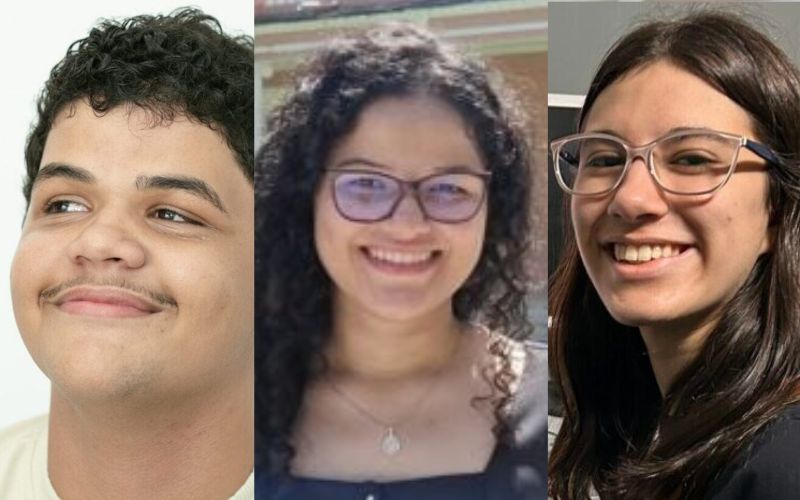
Brazilian youth are winning national recognition for designing practical solutions to digital wellness challenges. The Felipe Neto Institute launched a nationwide competition that asked young people to tackle screen time and technology habits affecting their generation.
Three winning solutions emerged from this initiative, developed by teenagers who understand firsthand what mental health struggles feel like in a hyperconnected world. The competition recognized that young people possess expertise adults often miss. They live inside digital culture daily. They know which apps consume hours without adding value. They recognize the anxiety loops that social media creates.
The Child Mind Institute featured these winning projects, highlighting a growing trend. When adults hand design problems to teenagers, innovative answers follow. Young designers identify pain points their peers experience. They build features and apps addressing real needs. They bypass the assumptions adults make about what youth actually want.
This Brazilian model offers parents something concrete. Instead of lecturing kids about screen time, families can explore what young people themselves identify as problematic technology use. Teenagers often recognize they need help but resist solutions imposed from above. When peers design digital wellness tools, adoption rates improve.
The competition format also affirms something research increasingly confirms. Young people aren't helpless victims of technology. They can be architects of change within their own digital lives. They advocate for features like notification limits, focus modes, and content breaks because they've felt the pull of endless scrolling themselves.
For parents watching their kids struggle with technology habits, this Brazilian initiative suggests a different approach. Rather than fighting screen time alone, parents can collaborate with their teenagers on solutions. What would your child design if asked to improve their own digital life? What features would make their phone less addictive? These conversations shift the dynamic from control to partnership.
The Felipe Neto Institute and Child Mind Institute's recognition of youth innovation demonstrates a principle worth adopting at home. Young people have wisdom about their own wellbeing. When given space to design solutions, they often create answers that