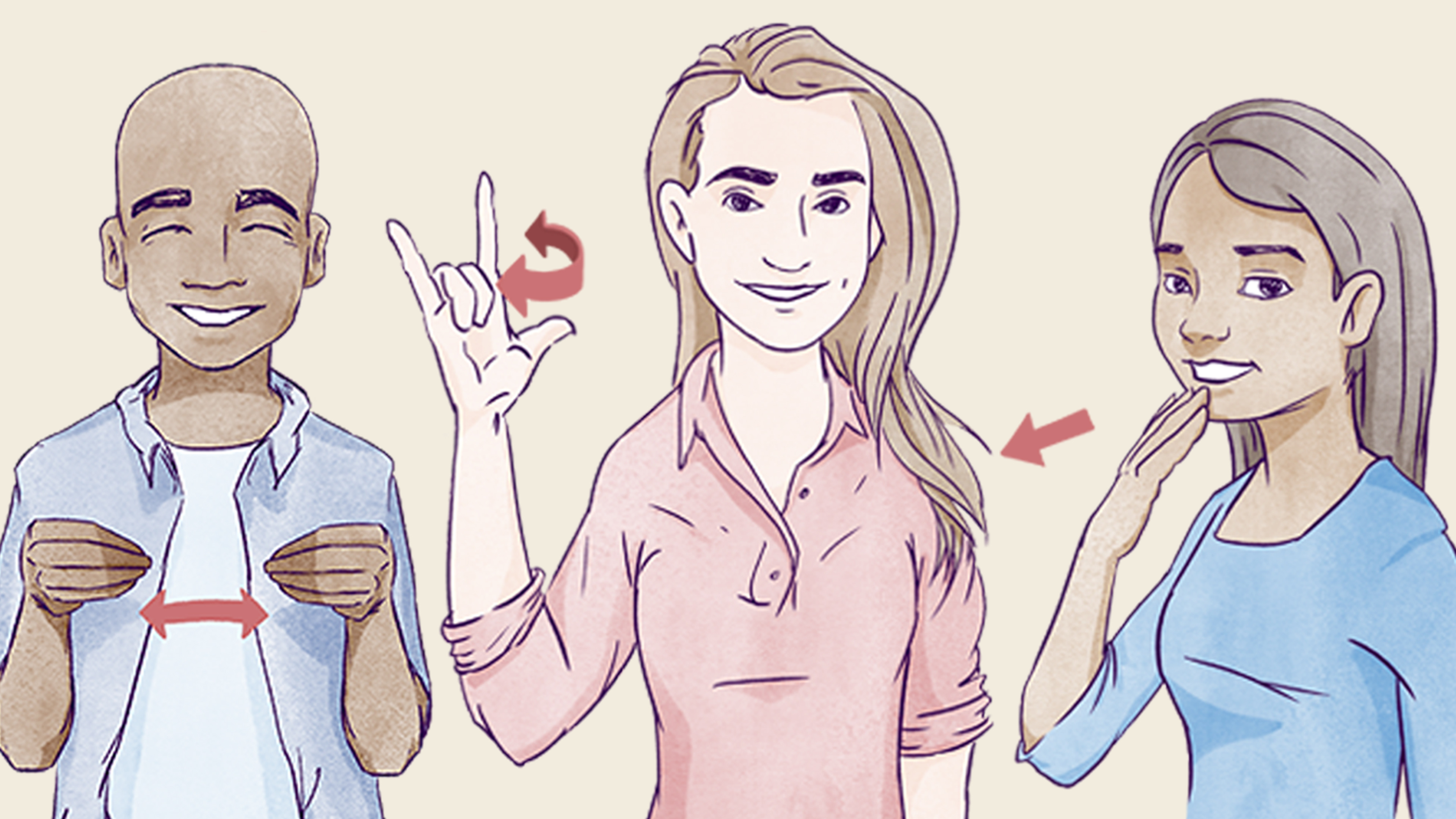
Baby sign language gives parents a bridge to communicate with infants months before they speak their first words. Research from the University of California, Davis shows that babies who learn sign language earlier develop stronger language skills overall and experience fewer frustration-driven tantrums.
Most babies can understand and produce basic signs between 6 and 12 months, well before typical spoken language emerges around 12 to 18 months. This early communication window matters because it lets your baby tell you what they need, want, or see without the crying that comes from feeling unheard.
The 20 most useful baby signs focus on daily life. "More," "milk," "all done," "water," and "mommy" top the list because babies use these constantly. Other essential signs include "eat," "sleep," "help," "please," and "thank you." Teaching signs for emotions like "happy" and "sad" helps babies name feelings they cannot yet articulate.
The process works simply. Watch your baby's hands during their natural gestures. When they reach for milk, you sign "milk" while saying the word aloud. Repetition across multiple daily moments creates the connection. Most parents see their first signed word within weeks.
Baby sign language works for all babies, not just deaf children. Hearing babies with deaf parents naturally acquire sign language as their first language. Hearing babies with hearing parents benefit from the cognitive boost and communication clarity that sign provides during the pre-verbal stage.
The benefits extend beyond communication. Signing engages different parts of the brain than speech alone. It strengthens memory, builds vocabulary faster, and creates a shared language between parent and child that feels special and intentional.
Starting with five to ten signs prevents overwhelm. Choose the words your family uses most. Consistency matters more than quantity. When caregivers and family members sign the same words the same way, babies learn