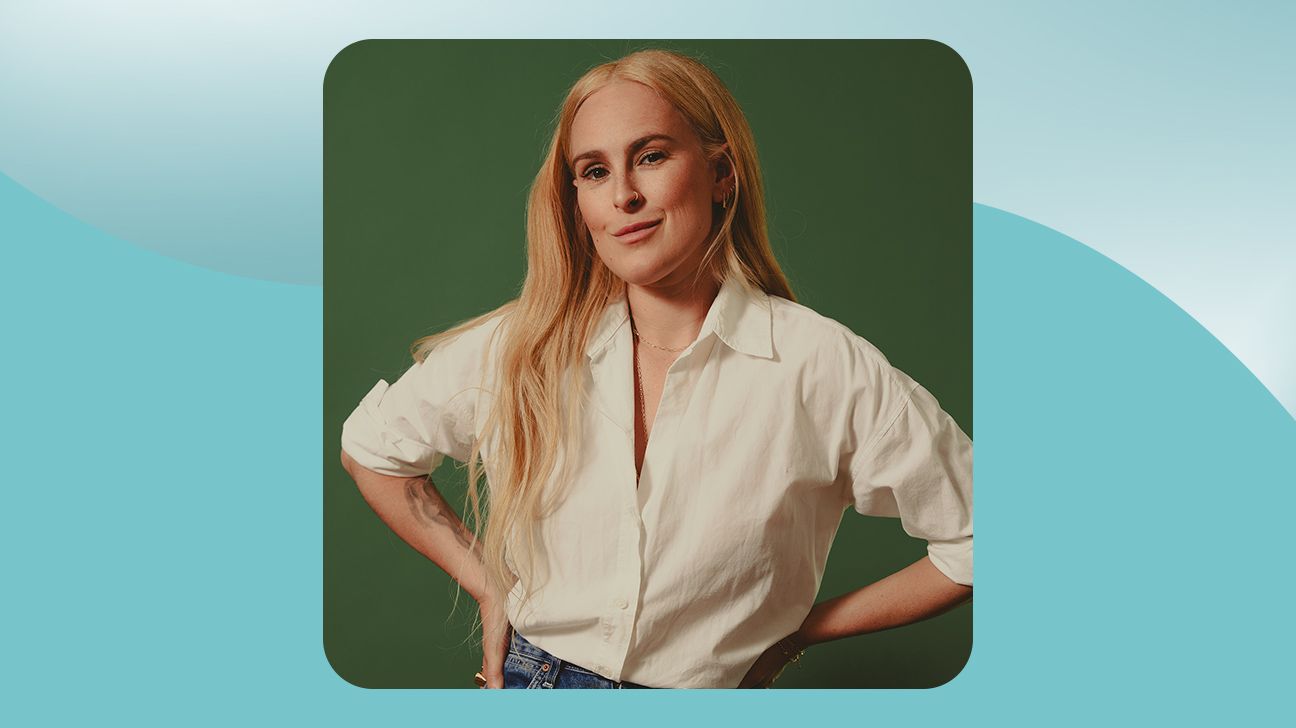
# Rumer Willis Discovers Cycle Tracking Benefits
Actress Rumer Willis credits hormone tracking apps with helping her gain clarity about her menstrual cycle and overall health patterns. By monitoring her cycle through a tracking app, Willis identified connections between her hormonal fluctuations and physical symptoms, mood changes, and energy levels throughout the month.
Cycle tracking has gained popularity among women seeking to understand their bodies better. Apps that record menstrual patterns, ovulation windows, and symptom changes provide data that help users spot trends. Willis found this information useful for planning her schedule, managing symptoms, and having informed conversations with healthcare providers.
The practice aligns with growing interest in menstrual health literacy. Many gynecologists recommend cycle awareness as a basic health practice, similar to tracking blood pressure or sleep. Understanding when ovulation occurs, when hormone levels shift, and how these changes affect mood and energy helps women anticipate challenges and optimize their routines.
Cycle tracking apps vary in approach. Some use the calendar method to estimate ovulation based on cycle length. Others track additional signals like basal body temperature or cervical mucus changes for greater accuracy. Popular apps include Clue, Flo, and Eve, each offering different features for symptom logging and health insights.
For parents of teenagers, introducing cycle awareness early builds health literacy. Daughters who understand their cycles learn to normalize menstruation and recognize their own patterns. This knowledge helps them communicate with doctors about irregular periods, severe cramps, or mood changes that warrant medical attention.
Willis's openness about hormone tracking removes stigma from period conversations. When public figures discuss menstrual health casually, it normalizes these conversations in families and healthcare settings. Young people who see adults treating their cycles as routine health information feel more comfortable seeking support when something feels off.
Tracking apps work best alongside medical care, not as replacements. A healthcare provider can