# Trying to Conceive Tips: Do This If You're TTC
Couples trying to conceive often feel overwhelmed by conflicting advice and unclear fertility guidance. The basic questions matter most: When should sex happen? What actually boosts fertility?
Timing intercourse during the fertile window dramatically improves conception odds. The fertile window opens five days before ovulation and closes the day after. For most women with 28-day cycles, this falls around day 14. Apps like Flo and Fertility Friend track cycles and predict ovulation, though they work best when periods run predictably.
Lifestyle factors affect fertility for both partners. Weight management, regular exercise, and stress reduction improve outcomes. A 2021 study in *Human Reproduction* found that women exercising 30 minutes daily had better ovulation rates. Men benefit similarly. Smoking and heavy alcohol use harm sperm quality and egg health, so quitting matters.
Prenatal vitamins with folic acid should start before conception attempts. The March of Dimes recommends 400 micrograms daily to prevent neural tube defects. Vitamin D levels affect fertility too. Low vitamin D correlates with longer time-to-pregnancy.
Sexual frequency matters less than timing. Contrary to myths about "saving up" sperm, research shows regular intercourse every two to three days maintains optimal sperm count. Daily sex doesn't improve chances further.
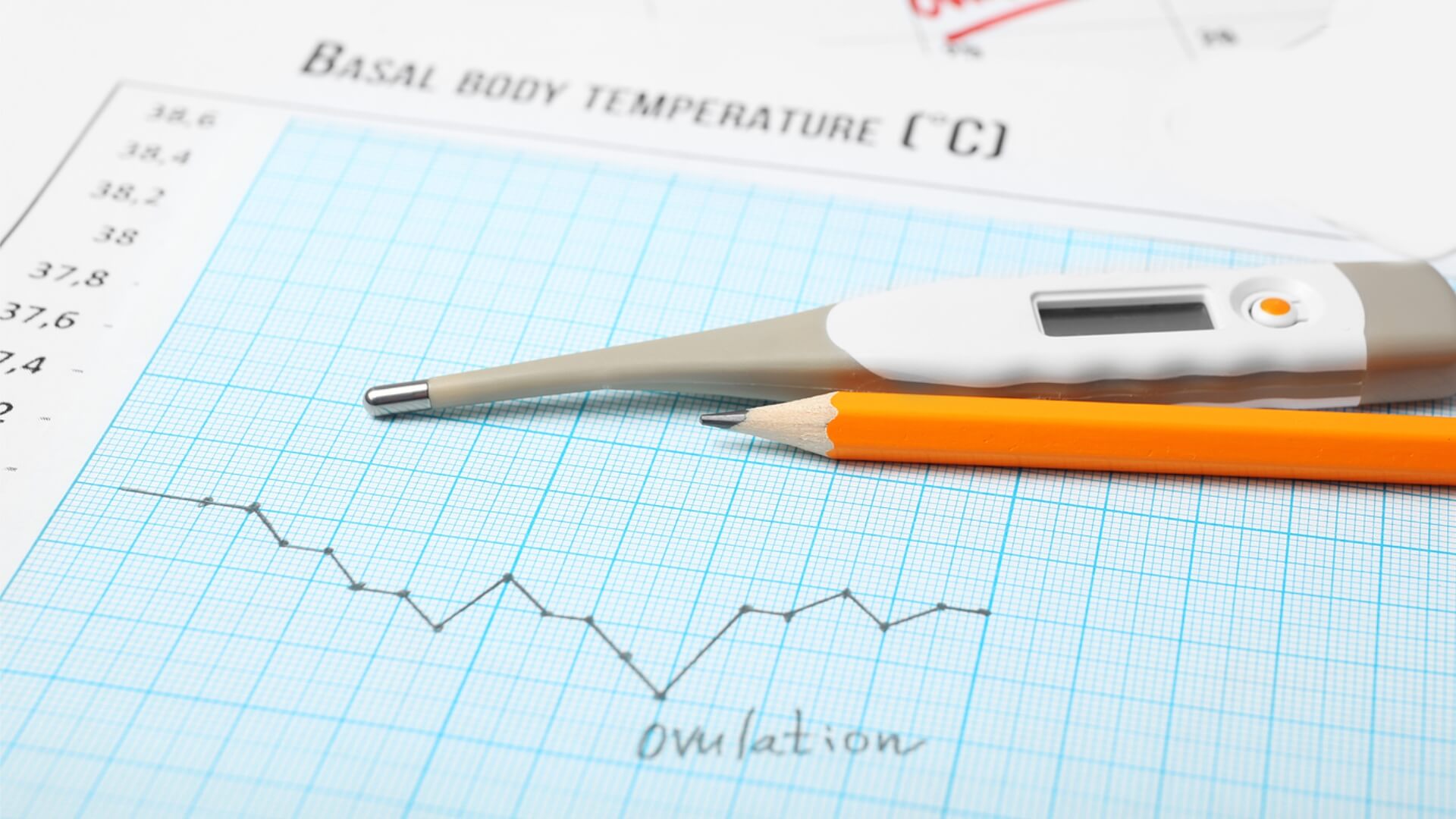
Testing ovulation at home uses cheap, reliable urine strips. First Response and Pregmate strips detect the luteinizing hormone surge that precedes ovulation. Tracking basal body temperature, while helpful, arrives too late to inform timing decisions.
When should you seek help? After 12 months of trying if under 35, or six months if over 35, talk to your doctor. A reproductive endocrinologist can test sperm health, check fal