# Surf Therapy Emerges as Evidence-Based Mental Health Tool for Youth
Surf therapy is gaining traction as a low-intensity mental health intervention for young people worldwide. The Child Mind Institute, through its Stavros Niarchos Foundation Global Center for Child and Adolescent Mental Health, has begun examining how ocean-based programs support adolescent wellbeing.
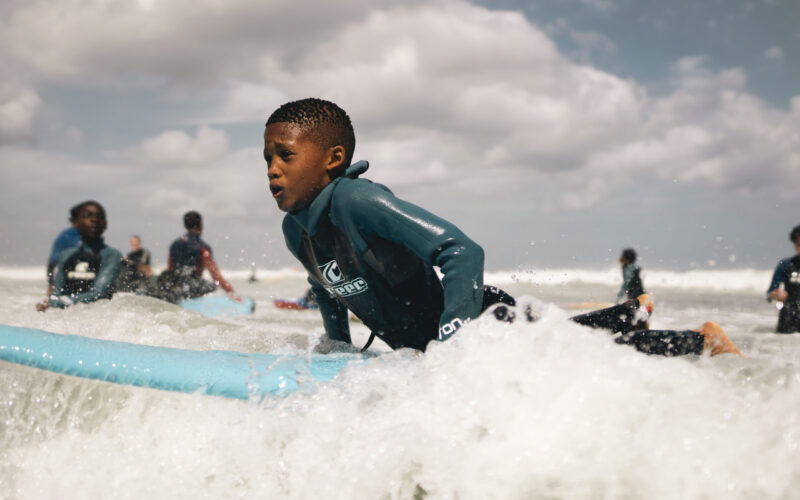
The approach pairs surfing instruction with therapeutic support, combining physical activity, nature exposure, and structured mentorship. Programs like Waves for Change deliver this model in coastal communities globally, targeting teens who face barriers to traditional mental health care. The ocean environment itself becomes part of the healing process, offering sensory engagement and a break from digital stimulation that characterizes much of adolescent life today.
Researchers note several mechanisms at work. Surfing demands focus and presence, naturally redirecting anxious or ruminating thoughts. The physical exertion releases endorphins. Being in nature reduces cortisol levels. The peer and mentor relationships built through group sessions address isolation and social disconnection, two factors linked to youth depression and anxiety. Unlike intensive therapy that requires significant time or financial commitment, surf programs operate at lower barriers to entry for underserved populations.
The Child Mind Institute highlights that this approach works well alongside traditional treatment, not as a replacement. Teens with moderate anxiety or depression, those experiencing stress, or young people seeking preventive mental health support show particular benefit. The model also reaches populations less likely to seek help through conventional channels—particularly boys and young men, who statistically underutilize mental health services.
Surf therapy's growing evidence base reflects a broader shift toward integrating movement, nature, and community into youth mental health care. For families in coastal areas, programs offer accessible entry points to mental health support. Parents considering options for their teens should ask whether local organizations offer similar nature-based interventions. These programs work best when combined with