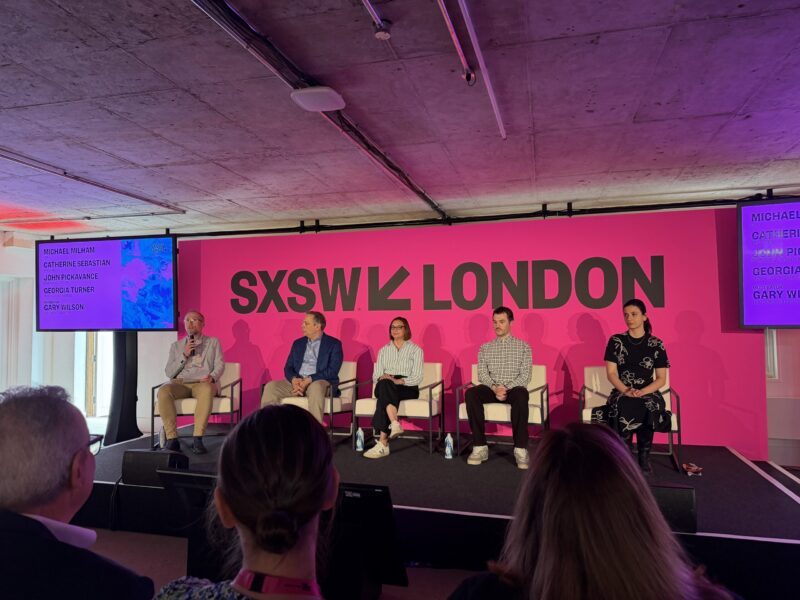
The Child Mind Institute and Wellcome launched the inaugural Youth Mental Health Hub at SXSW London this year, dedicating an entire week of programming to addressing the global youth mental health crisis. The hub brought together experts, innovators, and stakeholders to explore solutions and share evidence-based approaches to supporting young people's mental wellbeing.
This event represents a growing recognition among major institutions that youth mental health requires urgent, coordinated action. The Child Mind Institute, a leading nonprofit focused on children's mental health and learning disabilities, partnered with Wellcome, a global charitable foundation, to create a platform where researchers, policymakers, and practitioners could collaborate on real-world interventions.
The hub's programming likely covered topics ranging from early intervention strategies to digital mental health tools, peer support models, and systemic changes needed in schools and communities. By hosting this at SXSW London, organizers positioned youth mental health alongside other innovation-focused discussions, signaling that mental wellbeing solutions deserve the same attention as technology and creative breakthroughs.
For parents and caregivers, this kind of high-profile focus matters. When major institutions invest in understanding and solving youth mental health challenges, they typically accelerate the translation of research into practical resources. The conversations happening at such hubs often influence which mental health programs gain funding, which approaches get implemented in schools, and which tools become more accessible to families.
The inaugural nature of this hub suggests the organizers plan to make it an annual or recurring event. This consistency helps build momentum around youth mental health as a priority alongside other global challenges. Parents navigating their children's mental health care benefit when the field itself moves toward greater collaboration and evidence-based solutions.
For families dealing with anxiety, depression, or other mental health concerns in young people, events like this represent behind-the-scenes work that eventually translates into better screening tools, trained professionals, and