# Remote Heart Monitoring Brings Specialist Care to Rural Missouri
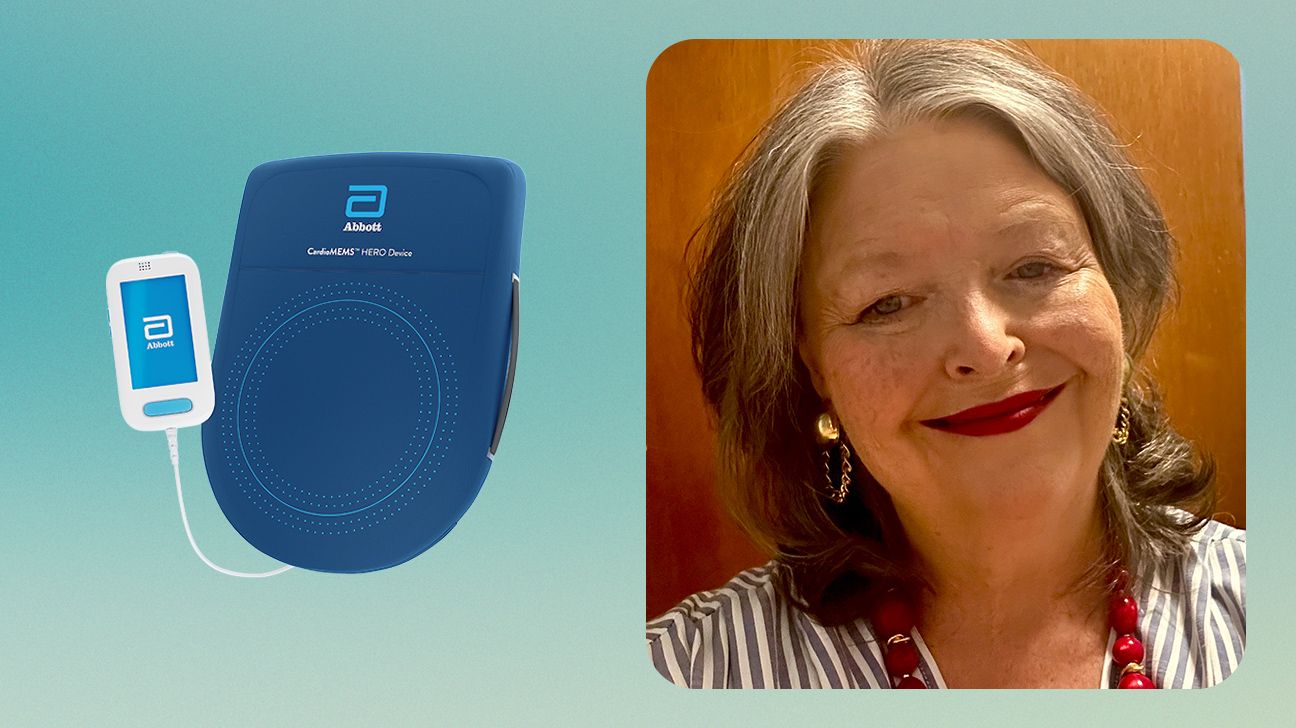
Angie Lindsey lives hours from the nearest heart specialist. After a heart attack left her requiring ongoing cardiac care, that distance posed a real problem. Today, a remote monitoring device implanted in her chest sends real-time data to cardiologists without requiring her to travel.
Lindsey's situation reflects a growing healthcare gap. Rural Americans with heart failure often lack access to cardiologists, forcing them to travel long distances for appointments or go without specialized monitoring. Remote monitoring technology bridges that gap by transmitting heart rhythm data wirelessly to care teams who can intervene before problems escalate.
The devices work through implantable cardiac monitors or pacemakers equipped with wireless transmission. When abnormalities occur, physicians receive alerts instantly. This allows them to adjust medications, schedule urgent visits, or recommend lifestyle changes before a patient deteriorates. Studies show remote monitoring reduces hospitalizations and improves outcomes for heart failure patients.
For rural families, the benefits extend beyond medical outcomes. Lindsey no longer needs to arrange transportation for frequent appointments or spend money on gas and lodging. She manages her condition from home while maintaining the same level of specialist oversight as patients living near major medical centers.
The technology does require initial setup and patient education. Patients need to understand how to use the device and respond to alerts. Insurance coverage varies, though Medicare typically reimburses remote monitoring for eligible patients.
Cardiologists emphasize that remote monitoring complements rather than replaces in-person care. Regular check-ups still matter, but the frequency can decrease when patients have reliable home monitoring.
As rural healthcare access remains strained, remote cardiac monitoring represents a practical solution. It extends specialist expertise to underserved communities and helps prevent emergencies before they happen. For families like Lindsey's, the technology means peace of mind and better health outcomes without sacrificing their rural lifestyle