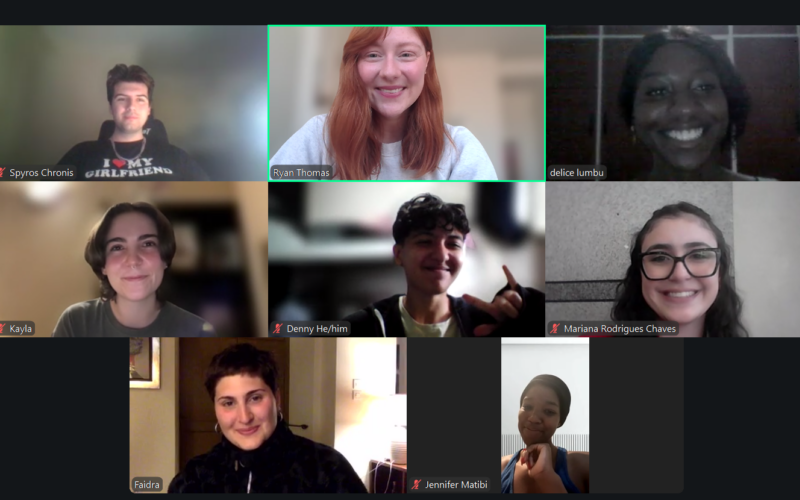
The Child Mind Institute and the SNF Global Center for Child and Adolescent Mental Health are partnering to shape conversations at SNF Nostos 2026, a major gathering focused on youth wellbeing. Both organizations plan to examine how mental health connects to education, technology, equity, and job readiness for young people.
This partnership reflects a growing recognition that adolescent mental health does not exist in isolation. Teachers, technologists, policymakers, and employers all influence whether young people thrive. The SNF Nostos 2026 event brings these sectors together to build a more coordinated response to youth mental health challenges.
The Child Mind Institute, a leading nonprofit research and advocacy organization, brings expertise in diagnosing and treating childhood and adolescent psychiatric conditions. The SNF Global Center for Child and Adolescent Mental Health contributes a global perspective on best practices and evidence-based interventions.
For parents, this collaborative approach matters. When schools adopt trauma-informed practices, when tech companies design products with adolescent brain development in mind, and when employers create mental-health-friendly workplaces, young people benefit. A teen struggling with anxiety faces different obstacles if their school lacks counseling resources or if social media algorithms amplify their negative thoughts.
The focus on equity is particularly relevant. Mental health challenges affect teens across all socioeconomic backgrounds, but access to care remains uneven. Lower-income families often lack insurance coverage for therapy. Students of color face underdiagnosis of conditions like ADHD. Rural teens may have no local providers. Workforce development discussions can address whether future careers include adequate mental health support.
Parents should watch for insights from SNF Nostos 2026 about what schools, technology platforms, and employers can do differently. When adults across sectors understand youth mental health, they can spot warning signs earlier and support young people more effectively. This conversation also empowers families to