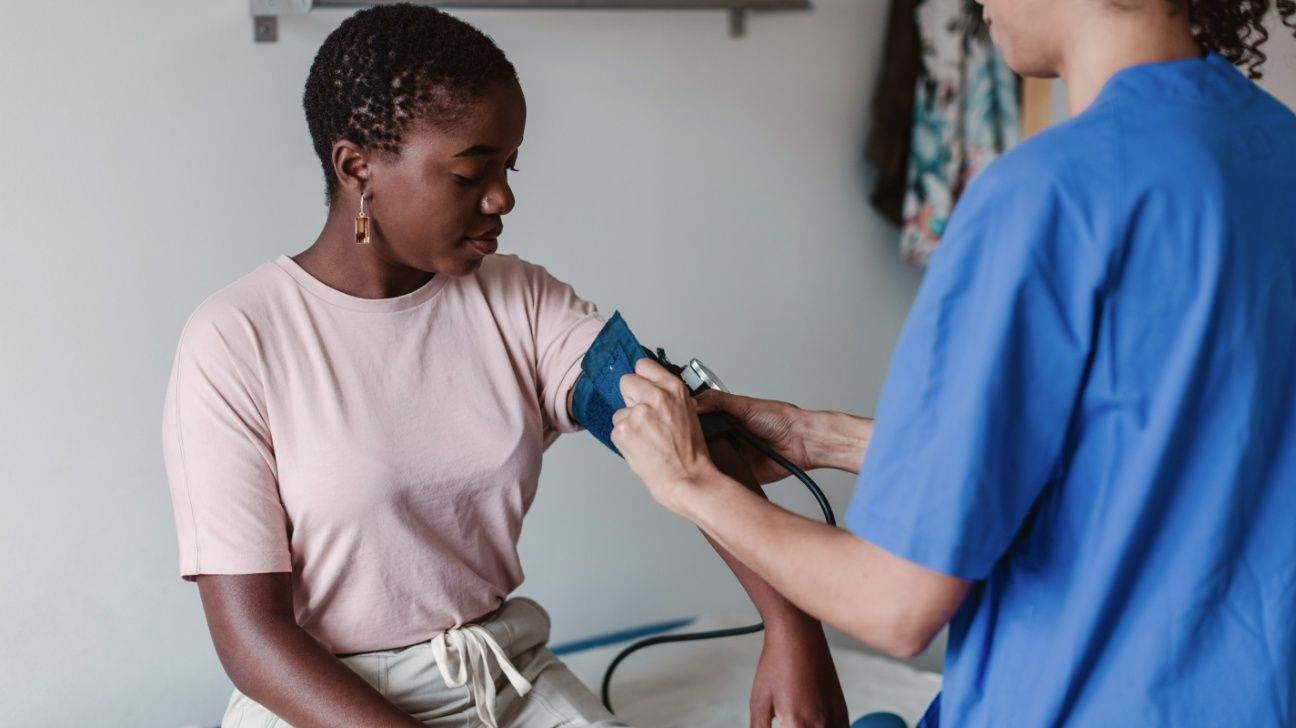
Women who experience early menopause face a higher risk of developing high blood pressure, according to recent research. Early menopause occurs before age 45 and affects roughly 1 in 100 women.
The connection stems from hormonal changes. Estrogen helps regulate blood vessel flexibility and blood flow. When estrogen levels drop suddenly during early menopause, blood vessels become stiffer, causing pressure to rise. This metabolic shift can persist for decades after menopause begins.
Researchers have identified several factors that increase early menopause risk. Smoking tops the list, advancing menopause by an average of two years. Extreme stress, obesity, and certain medical treatments like chemotherapy also trigger earlier hormonal shifts. Family history matters too. If your mother experienced early menopause, your risk climbs significantly.
Parents of teen and young adult daughters should understand these long-term health patterns. While early menopause feels distant during youth, the cardiovascular consequences extend into midlife and beyond.
Prevention strategies start now. Regular exercise reduces blood pressure and delays menopause onset. The American Heart Association recommends 150 minutes of moderate activity weekly. A heart-healthy diet rich in vegetables, whole grains, and lean proteins supports both weight management and blood vessel health.
Women experiencing early menopause symptoms should work with their doctors to monitor blood pressure regularly. Home monitors provide consistent readings between office visits. Some women benefit from hormone replacement therapy, though this decision requires discussion with a healthcare provider weighing individual risks and benefits.
Stress management through yoga, meditation, or counseling can help. Limiting alcohol and avoiding smoking protects cardiovascular health throughout life.
The takeaway for families is this. Early menopause isn't just about hot flashes or sleep disruption. The hormonal changes ripple across decades of health. Women facing this transition deserve proactive medical monitoring and lifestyle support