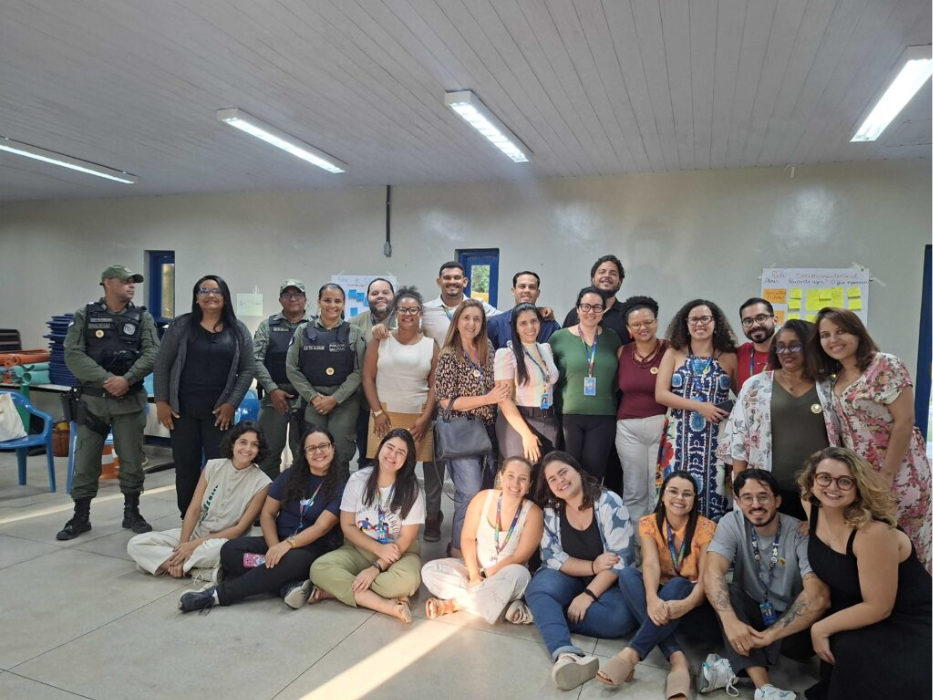
# Brazil's School-Based Mental Health Program Shows Path Forward for Teachers
A new mental health initiative in Brazil demonstrates how schools can become spaces for early intervention and wellness support. The Psychosocial Support Program (PSP), developed by the Child and Adolescent Mental Health Initiative (CAMHI) in partnership with the Child Mind Institute and funded by the Stavros Niarchos Foundation, equips school staff with tools to identify and support struggling students.
The program, implemented in Pernambuco, Brazil, addresses a critical gap. Teachers spend more time with children than anyone outside their families, yet most receive minimal training in recognizing mental health concerns. PSP changes this by building the capacity of educators themselves, rather than requiring access to specialists who don't exist in many communities.
The approach offers practical lessons for any region facing mental health shortages. By training existing school personnel, the program makes mental health support sustainable and scalable. Teachers learn to recognize warning signs of anxiety, depression, and behavioral challenges. They gain concrete strategies for creating supportive classroom environments and connecting families to resources.
This model reflects growing evidence that school-based mental health interventions work. Research shows early identification and support prevent problems from escalating and improve academic outcomes. When teachers feel equipped to handle mental health conversations, students benefit from faster responses to distress.
The Pernambuco implementation provides a real-world test case for translating research into classroom practice. The challenges of training diverse staff, ensuring consistent application, and measuring impact reveal what actually works beyond pilot studies.
For parents, this matters directly. If your child's school staff receive mental health training, teachers notice changes earlier. They respond to anxiety or withdrawal with understanding rather than punishment. School becomes a protective environment where mental wellness gets the same attention as academics.
Countries and regions worldwide face similar barriers: too few psychologists, limited budgets, and schools uncertain about their mental health