# What Is 'Biblical Eating'? Inside TikTok's Latest Whole-Food Obsession
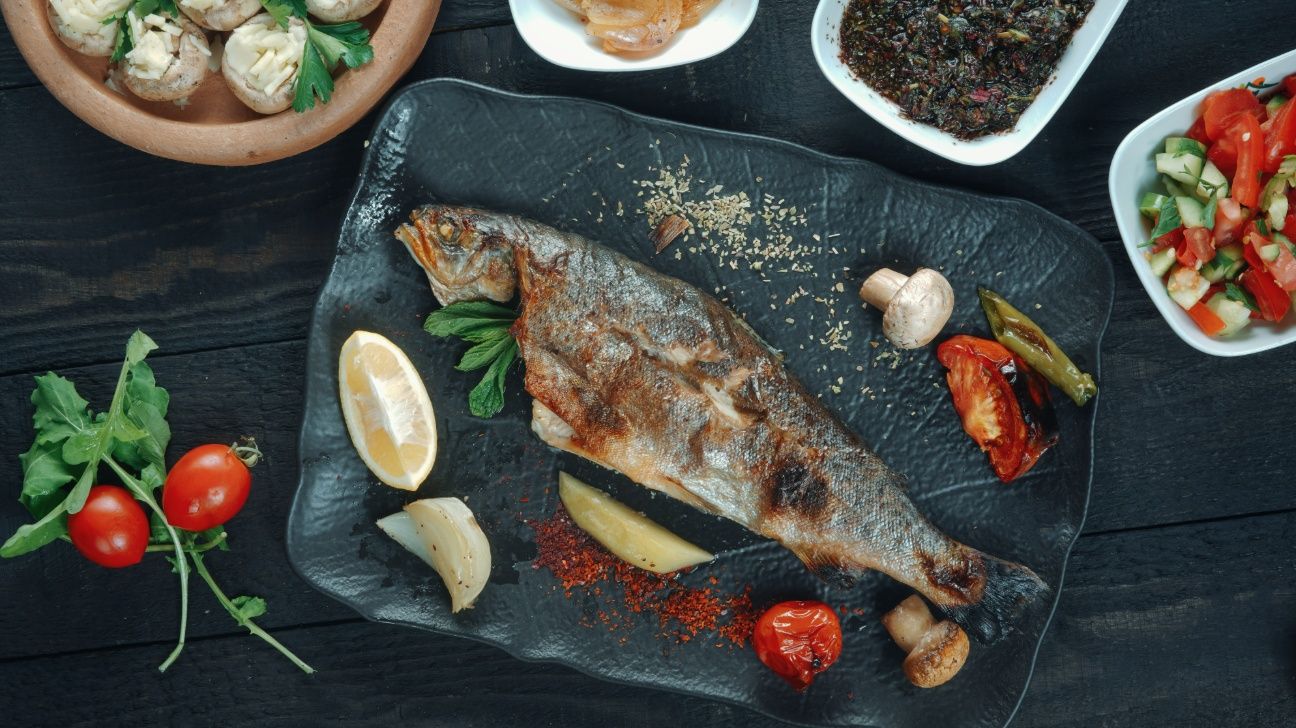
A new dietary trend called "biblical eating" has taken over TikTok, attracting millions of views as users promote whole foods mentioned in scripture. The approach emphasizes unprocessed ingredients like fish, bread, olive oil, wine, grains, and vegetables that appear throughout biblical texts.
Proponents of biblical eating argue the diet aligns with how humans ate thousands of years ago, before industrial food processing. They claim eating foods referenced in the Bible supports better digestion, clearer skin, and improved overall health. The trend reflects a broader movement toward whole foods and away from ultra-processed products.
Registered dietitian nutritionists caution that while whole foods offer real nutritional benefits, the biblical eating framework itself lacks scientific backing. The diet's health claims remain unproven. Eating whole foods is sound advice, but framing it around religious texts creates potential problems.
The trend raises concerns about orthorexia, an unhealthy obsession with eating "pure" or "clean" foods. Teenagers and young adults following TikTok heavily may internalize restrictive eating patterns. When food choices become moralized or tied to spiritual purity, disordered eating patterns can develop.
Nutritionists recommend focusing on evidence-based guidelines instead. The Mediterranean diet, which includes many foods mentioned in biblical texts, has robust research supporting its health benefits. It emphasizes fish, whole grains, olive oil, vegetables, and moderate wine consumption without the religious framing.
Parents should watch for signs their teens show unhealthy food fixation. These include elimination of entire food groups, increased anxiety around meals, or rigid rules about what counts as "acceptable" food. Teaching children that all foods fit into a balanced diet, and that nutrition science evolves, helps counter diet culture messages spread