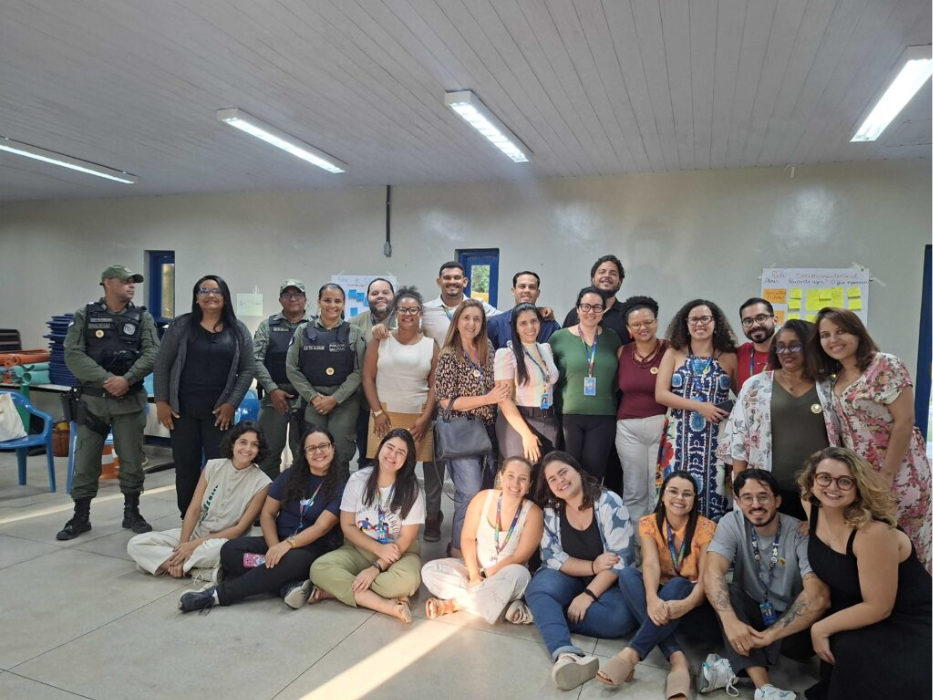
# From Evidence to Practice: Lessons From Implementing the Psychosocial Support Program in Pernambuco, Brazil
A school-based mental health program developed in Brazil shows how evidence-based training can reach struggling students through their teachers and staff. The Psychosocial Support Program (PSP), created by the Child and Adolescent Mental Health Initiative (CAMHI) under the Stavros Niarchos Foundation Global Center for Child and Adolescent Mental Health at the Child Mind Institute, trains school staff to identify and support students facing emotional and behavioral challenges.
The program operates on a straightforward principle: teachers and school personnel spend more time with children than anyone else. By equipping these adults with mental health tools and knowledge, schools can catch problems early and create healthier learning environments for all students.
Implementation in Pernambuco, a state in northeastern Brazil, offers practical lessons for schools facing resource constraints. Rather than depending solely on specialized mental health professionals—often unavailable in under-resourced communities—the PSP builds the capacity of existing school staff. This approach addresses a real gap. Many children worldwide lack access to mental health services, yet spend six to seven hours daily in school.
The training focuses on helping teachers recognize warning signs of anxiety, depression, trauma, and behavioral difficulties. Staff learn concrete strategies for supporting students and connecting families with resources when needed. The model recognizes that promoting student well-being benefits the entire school community, reducing discipline problems and improving academic engagement.
For parents, the PSP matters because it extends mental health support beyond clinical settings into everyday school environments. Children don't need a diagnosis or wait lists to benefit from a teacher trained in psychosocial support. Early intervention through school staff can prevent small struggles from becoming serious mental health crises.
The Pernambuco implementation demonstrates that evidence-based mental health programs can work in diverse contexts. Schools considering similar