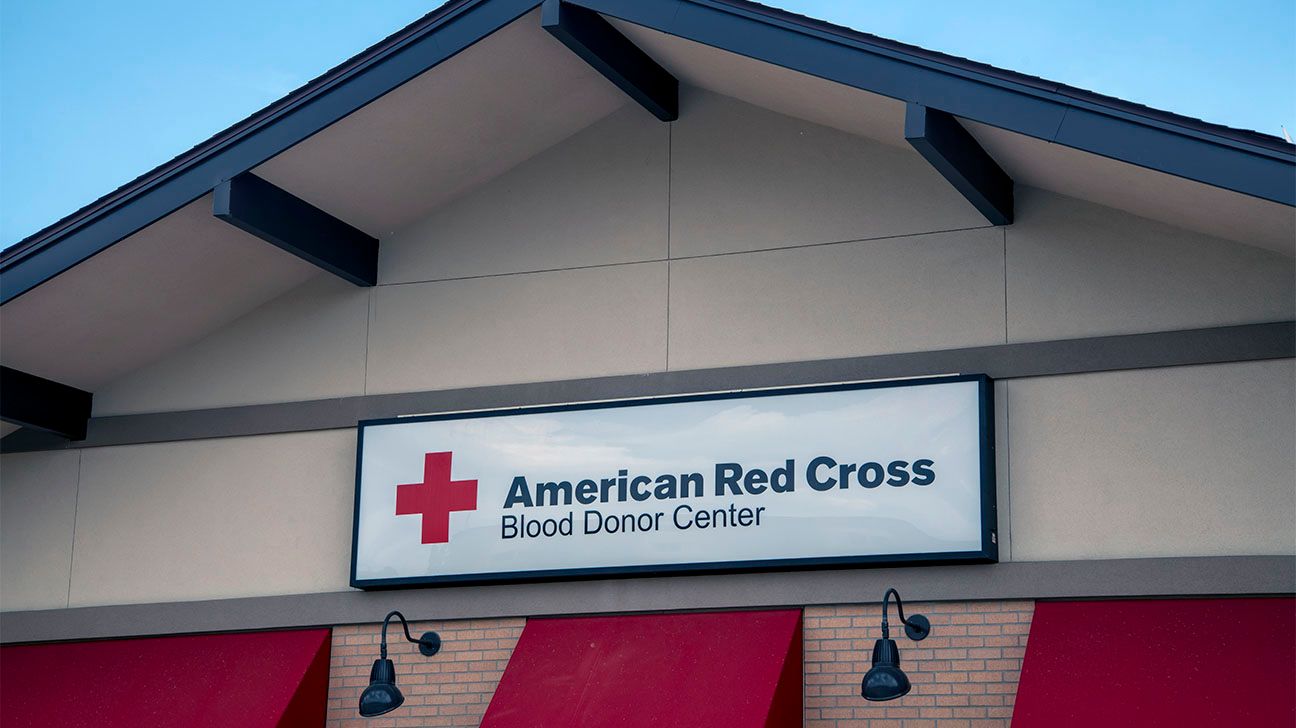
The American Red Cross has declared a national blood supply crisis, with donations dropping to levels not seen in four years. This shortage threatens hospitals' ability to treat patients needing transfusions for surgeries, trauma, and chronic conditions.
The decline stems from multiple factors. Fewer people scheduled donation appointments during summer months, a seasonal trend that worsened this year. Illness and travel kept many regular donors away. The Red Cross reports that donor turnout fell short of targets across all regions, leaving blood banks struggling to meet hospital demand.
Blood shortages affect families directly. When supplies run low, hospitals must ration blood products and delay non-emergency surgeries. Patients with sickle cell disease, who need regular transfusions, face extended wait times. Cancer patients undergoing chemotherapy may experience treatment delays. Trauma centers cannot stockpile reserves for accidents and emergencies.
The Red Cross urges eligible donors to give now. Healthy adults aged 17 and older (16 in some states with parental consent) can donate every eight weeks. The process takes about one hour total, with actual donation lasting 5-10 minutes. Donors must weigh at least 110 pounds and pass a health screening.
Parents can teach older teens about donation. First-time donors often feel nervous, but Red Cross staff prepare donors beforehand and monitor them throughout. Eating a healthy meal beforehand and staying hydrated helps prevent side effects like dizziness.
Finding a donation center is simple. The Red Cross website shows appointment availability by zip code. Many workplaces and schools host blood drives, making donation convenient.
Donated blood saves lives. One donation helps up to three patients. As the Red Cross states, "Every two seconds, someone in the U.S. needs blood." The current crisis means that someone might not receive needed care without immediate action.
Families can support this need by don