# Remote Heart Monitoring Brings Specialist Care to Rural Missouri
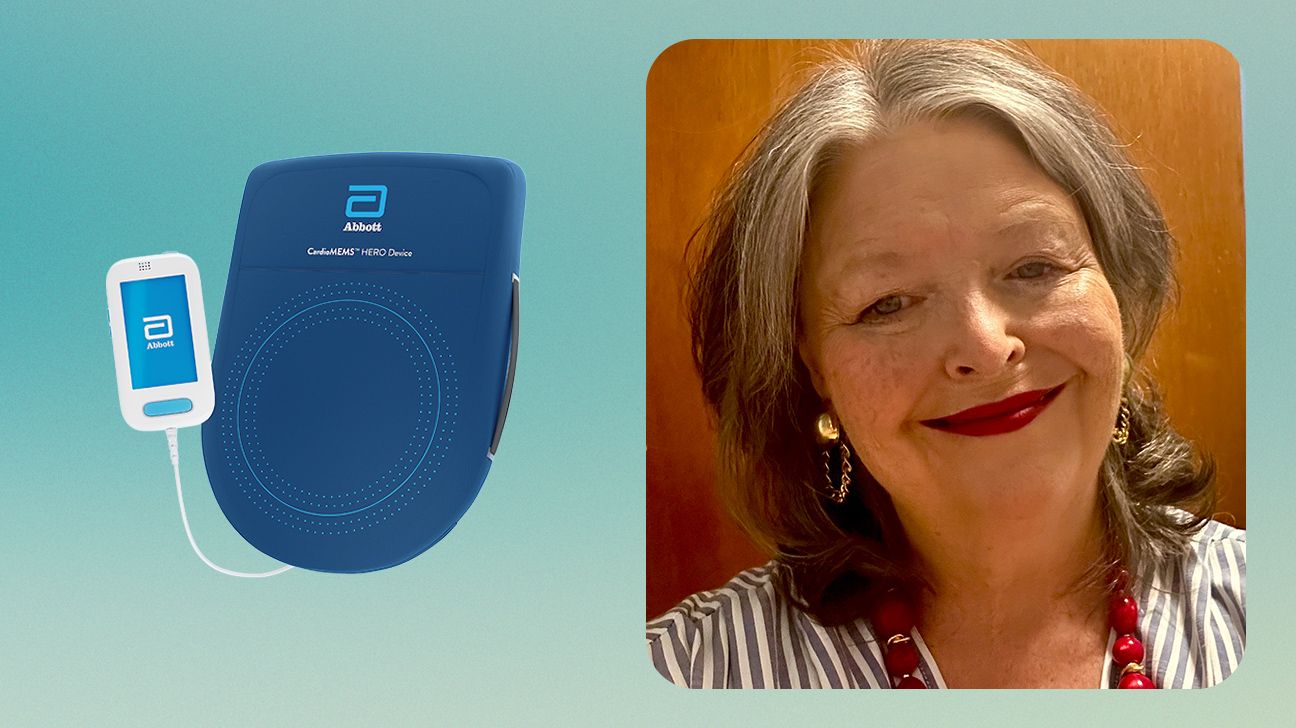
Angie Lindsey lives three hours from the nearest heart failure specialist. After a heart attack, she faced a choice familiar to many rural families: lengthy drives for care or risk her health at home. Remote monitoring technology changed her situation entirely.
Lindsey now wears a wireless device that tracks her heart's activity and transmits data to cardiologists in real time. Doctors catch problems before they become emergencies. She avoids unnecessary hospital visits while receiving the same level of oversight as patients in major medical centers.
This approach addresses a real rural healthcare crisis. Nearly 60 million Americans live in areas with cardiologist shortages, according to the American College of Cardiology. Rural patients experience higher rates of heart disease and face travel barriers that delay treatment. Remote monitoring devices close this gap.
The technology works by continuously measuring heart rhythm, fluid levels, and other vital signs. Algorithms flag concerning patterns and alert clinicians immediately. Patients receive same-day feedback from specialists instead of waiting weeks for appointments.
Research backs this model. Studies published in the Journal of the American College of Cardiology show remote monitoring reduces hospital readmissions by up to 30 percent in heart failure patients. Early intervention prevents deterioration and improves outcomes.
For families like Lindsey's, the practical benefits matter most. She skips six-hour round trips for routine checkups. Her local clinic, equipped to receive remote data, coordinates with distant specialists. Insurance coverage varies, but Medicare now reimburses remote monitoring for qualifying heart patients.
The expansion of remote cardiac monitoring represents progress in addressing rural healthcare disparities. As technology becomes more reliable and accessible, more patients in underserved areas gain access to world-class specialist care without leaving home. For Lindsey, it means managing her condition confidently and staying close to family and familiar doctors.