# Sun Protection That Actually Works: What Parents Need to Know About UPF 50+ Baby Swimsuits
Tropical vacations with babies demand serious sun protection. UPF 50+ baby swimsuits block 98% of the sun's ultraviolet rays, offering the highest level of protection the fabric rating system allows. For parents planning beach trips with infants and toddlers, these specialized garments represent one of the most effective defenses against harmful UV exposure.
Babies under six months should not wear sunscreen, according to the American Academy of Pediatrics. For older infants and toddlers, pediatricians recommend physical sun protection as the first line of defense. UPF 50+ swimsuits accomplish this by using tightly woven fabrics that reflect and absorb UV radiation before it reaches delicate skin. The swimsuits work alongside other protective measures like wide-brimmed hats, UV-blocking sunglasses, and shade structures.
UPF stands for Ultraviolet Protection Factor. A UPF 50+ rating means the fabric allows only one 50th of the sun's UV rays to pass through, equivalent to the protection level of SPF 50+ sunscreen. The difference matters for babies with sensitive, developing skin that burns easily and rarely recovers without visible damage.
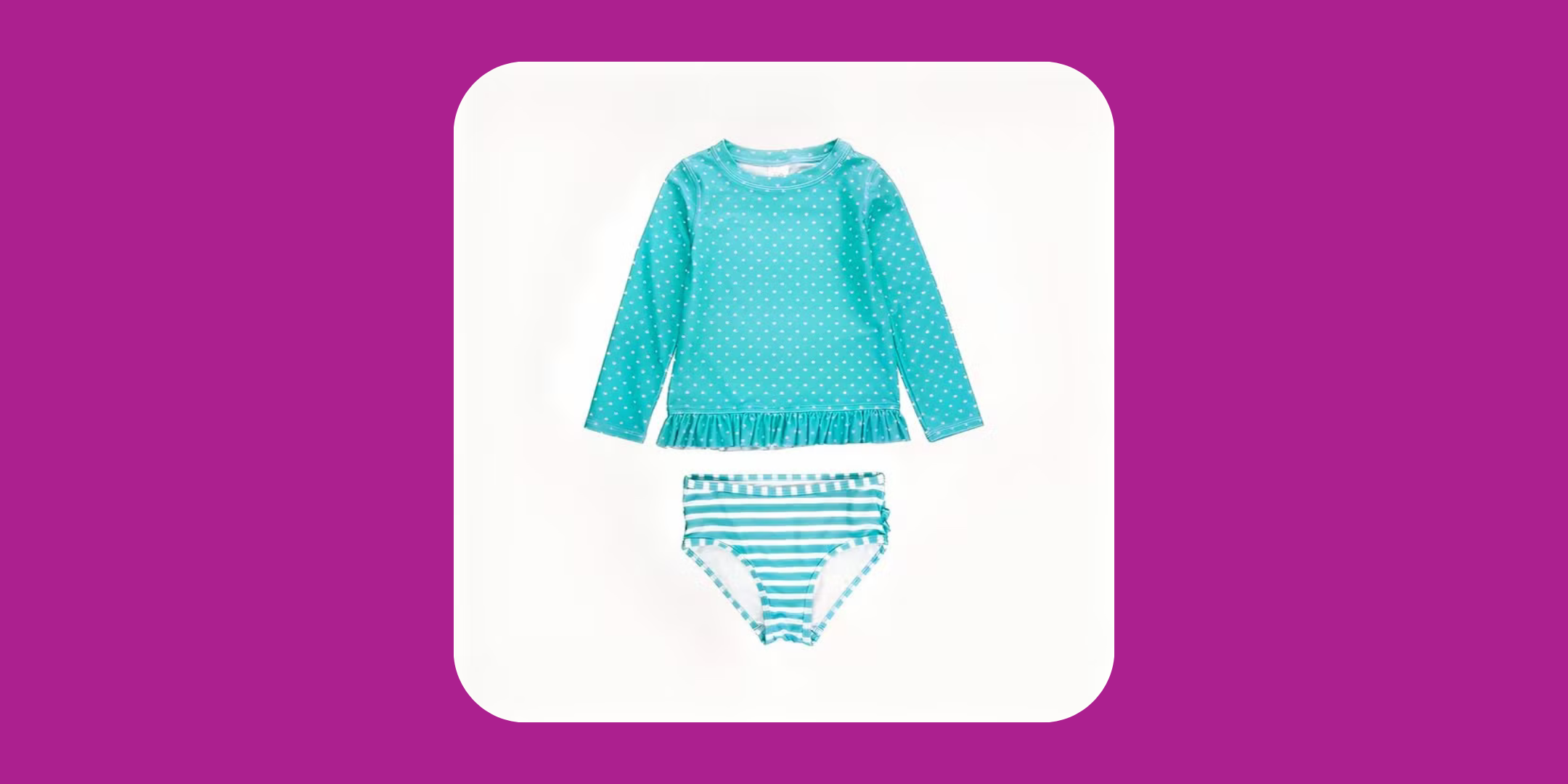
Parents shopping for UPF 50+ baby swimsuits will find options designed as one-piece suits, rash guards paired with swim bottoms, or full-body coverage including hoods. Popular brands like Snapper Rock, Platypus Australia, and Canopea offer styles in various colors and patterns. Many retailers currently offer sales, reducing prices from typical $40-$80 ranges.
When selecting a swimsuit, fit matters as much as fabric rating. Loose garments allow water and air circulation underneath, reducing the protection benefit. Snug fits that move with your child work best. Check that seams and edges sit flat against the skin without leaving gaps at the neckline or armpits, where UV rays can still penetrate.
Water time in tropical climates poses unique challenges. Sand reflects up to 17% of the sun's rays upward, intensifying UV exposure even in shallow water. Dehydration happens faster in heat, making sun protection harder to maintain as babies become uncomfortable. UPF suits eliminate the need to reapply protection repeatedly, a practical advantage with fussy toddlers.
Durability affects long-term value. Quality UPF swimsuits maintain their protection rating through 50+ washes. Chlorine in pools can degrade fabrics faster than saltwater, so rinsing immediately after use extends garment life. Many parents purchase multiple suits to rotate them during week-long trips.
The investment in proper sun protective clothing during early childhood pays lasting dividends. Childhood sunburns increase melanoma risk later in life. One severe sunburn before age 15 doubles melanoma risk according to skin cancer research. Early protection habits teach children that sun safety matters.
Parents planning tropical vacations with babies should treat UPF 50+ swimsuits as essential gear, not optional accessories. They simplify sun protection routines, allow extended water play without chemical sunscreen reapplication, and protect vulnerable infant skin during the years when UV damage proves most consequential. Current sales make this a practical time to stock up before beach season peaks.