# The 6 Best Smart Scales for Your Home: What Parents Need to Know About Family Fitness Tracking
Smart scales have moved beyond simple weight measurement. Today's models track body composition, sync to fitness apps, and store data for entire households. For families working toward health goals together, these devices offer a practical way to monitor progress without visiting a clinic.
Smart scales measure more than weight. Most premium models analyze body fat percentage, muscle mass, bone density, and water weight. Some calculate BMI and metabolic rate. This breakdown matters because two people can weigh the same while having completely different body compositions. A scale reading 150 pounds tells you almost nothing about fitness level. A smart scale reading 150 pounds with 22% body fat and 110 pounds of lean muscle tells you much more.
The best models for families include dedicated apps that allow multiple users. Each family member gets a separate profile. Kids can track their measurements without seeing others' data if parents prefer privacy. Teenagers training for sports benefit from seeing muscle mass gains separate from weight gain. Parents managing weight or building strength get detailed progress charts instead of single daily numbers.
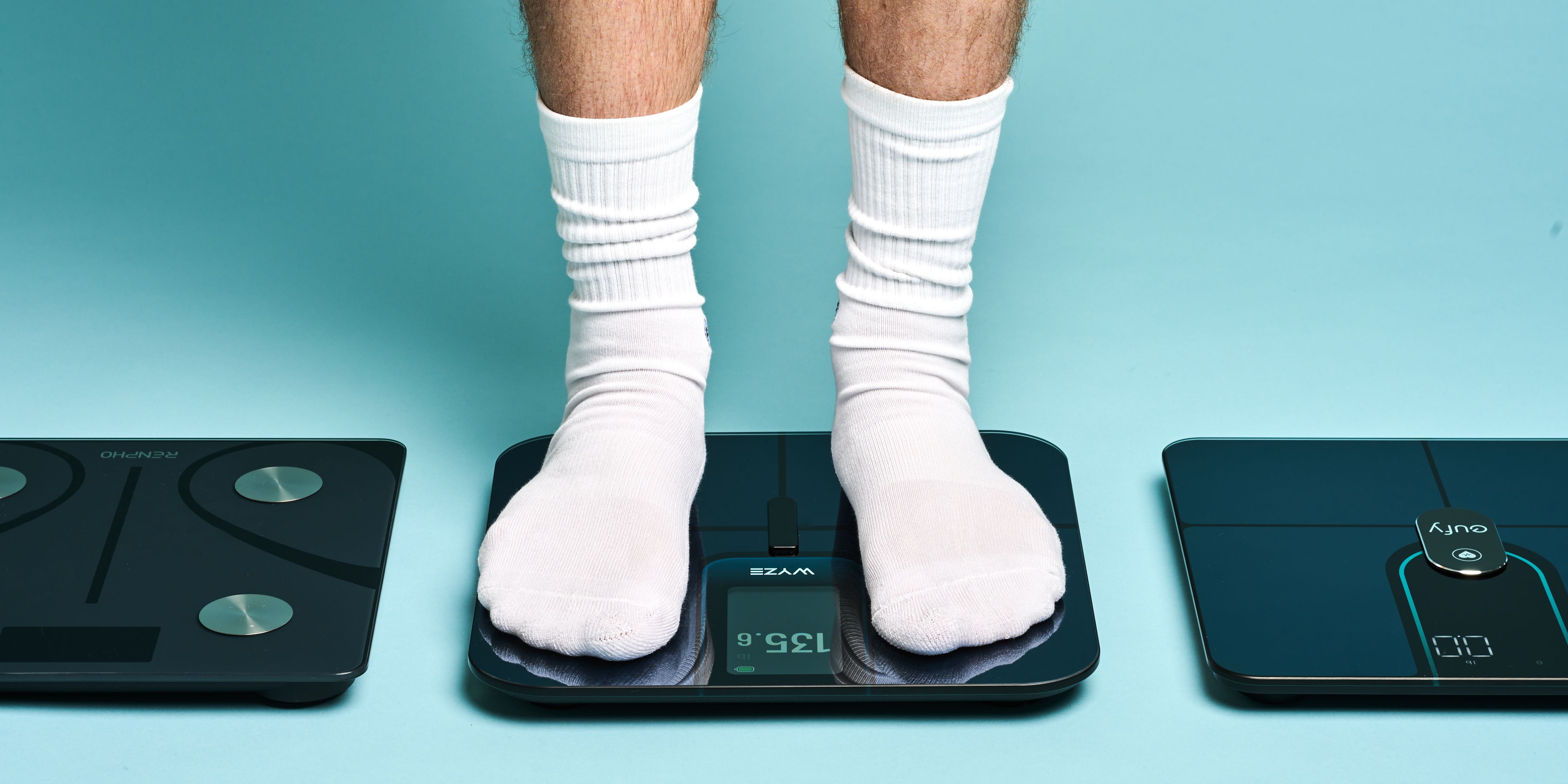
Popular options include the Withings Body+, which measures eight body metrics and syncs to Apple Health, Google Fit, and Fitbit. The Renpho Bluetooth scale offers affordable tracking for up to 16 users. The Eufy SmartScale P2 Pro combines solid accuracy with a clean app interface. The Garmin Index S2 integrates with Garmin's fitness ecosystem. The Samsung Galaxy Watch5 connects to Samsung SmartThings scales. The Tanita RD-953 offers medical-grade accuracy for families with specific health concerns.
Parents should consider accuracy first. Research published in the Journal of Obesity confirms that smart scales vary in precision. Withings and Garmin models typically score highest in independent testing. Cheaper scales prioritize convenience over accuracy. The difference between 25% and 28% body fat may not matter for casual tracking, but matters for athletes or individuals with health conditions.
App quality shapes daily experience. Poor apps discourage use. Look for scales with simple interfaces, clear graphs, and integration with apps you already use. If your family uses Apple Health, choose a scale that syncs there. If you use MyFitnessPal, verify compatibility before buying.
Privacy deserves attention. Smart scales store body data on cloud servers. Read privacy policies carefully. Some companies sell anonymized data to researchers. Others keep data private unless you explicitly consent to sharing. Families with teenagers should discuss data storage before connecting a scale to home wifi.
Weight fluctuates daily based on hydration, sodium intake, hormones, and time of day. Smart scales work best when used consistently, same time each morning, after bathroom use. Weekly averages matter more than individual readings. Parents should model healthy attitudes toward scale data. Using scales to obsess over daily numbers teaches unhealthy habits. Using them to track long-term progress toward reasonable goals teaches resilience.
Smart scales work best as one tool among many. Regular physical activity, adequate sleep, and balanced nutrition matter far more than owning fancy equipment. For families committed to tracking fitness progress together, a quality smart scale removes friction. It makes health visible without requiring doctor visits or gym equipment.