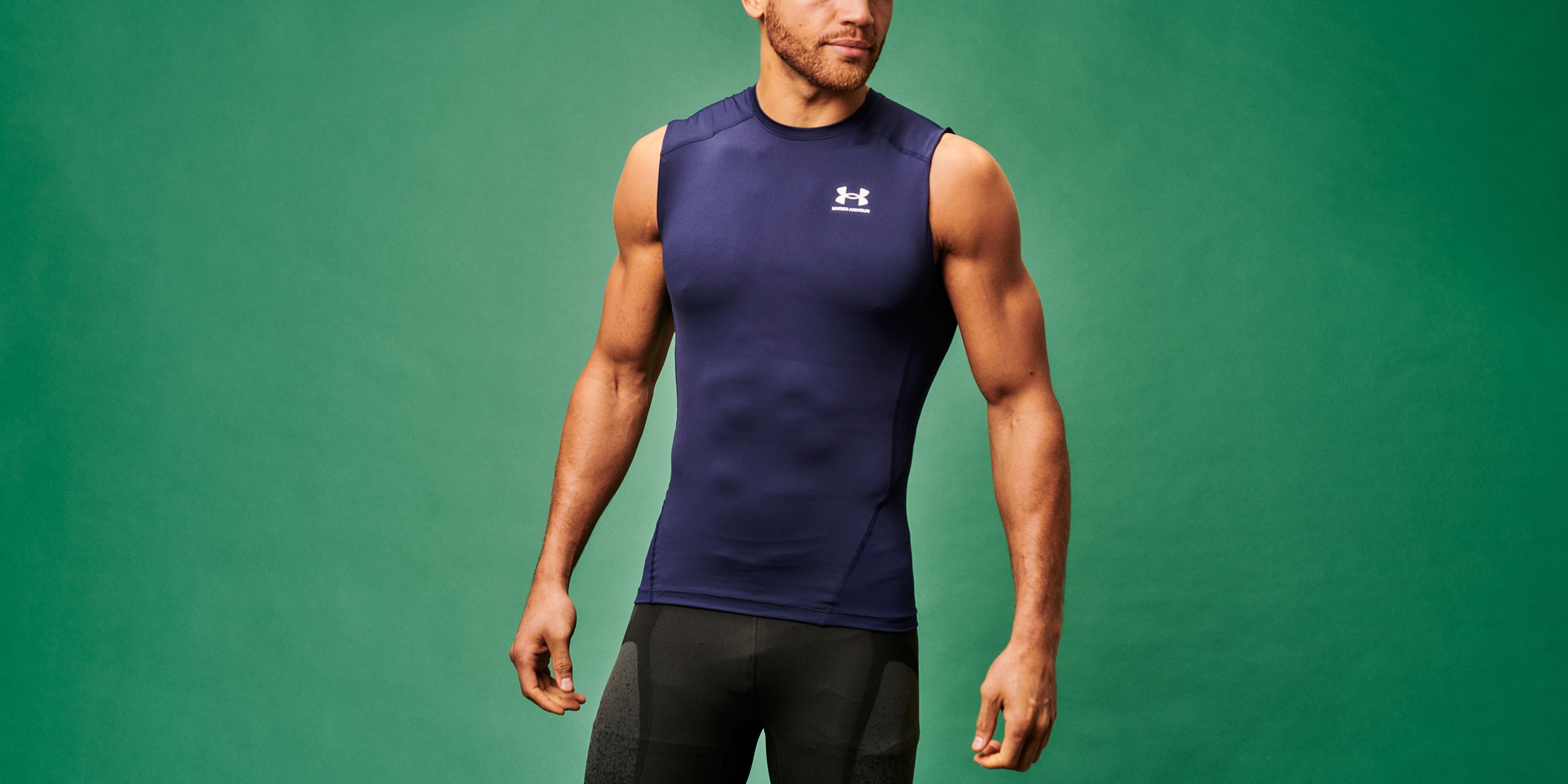
# The Best Workout Clothes for Men, Tested by Fitness Editors and Trainers
Finding quality athletic wear matters more than many parents realize. When dads commit to fitness routines, they're modeling healthy habits for their kids. The clothes they wear directly affect whether those workouts happen consistently.
Men's Health editors and certified fitness trainers have systematically tested athletic brands to identify which ones deliver on performance, durability, and comfort. Several names consistently rank at the top across multiple testing rounds.
Lululemon emerges as a leader in the premium athletic wear space. Originally built around yoga and running, the brand now serves broader fitness needs with technical fabrics that manage sweat and maintain shape after repeated washing. Their pieces typically retain structure through high-intensity workouts and regular laundering. The price point runs high, but many fitness professionals note the longevity justifies the investment.
Vuori has gained serious traction among serious athletes. The brand focuses on versatile pieces that transition from gym to casual wear, which appeals to busy parents juggling work and fitness. Their shorts and tops use moisture-wicking technology specifically engineered for sustained activity. Reviewers praise the fit consistency across sizes.
Tracksmith combines minimalist design with engineering precision. The Boston-based brand focuses on running apparel with particular attention to visibility and weather protection. For dads who run early mornings or evenings while kids sleep, Tracksmith's reflective details and wind-resistant fabrics add genuine safety value.
Beyond these names, testers evaluated performance across specific needs. Shorts should allow full range of motion without chafing. Tops need breathable fabrics that dry quickly when sweat accumulates. Layer-friendly designs work better for parents who train before or after school drop-off, when temperatures vary. Pockets matter more than many brands acknowledge. Reflective details protect evening exercisers.
The testing process involved actual workouts, not just lab assessments. Editors ran, lifted, and cycled in these clothes under varied conditions. They measured fabric recovery after stretching, checked for pilling after multiple washes, and assessed whether colors held through repeated cycles.
Durability testing revealed that higher-priced brands generally outperform budget alternatives over time. This matters for parents buying clothes they'll wear regularly. A $100 shirt lasting two years costs less per wear than a $30 shirt worn only a few times before fading or bagging out.
Fit consistency proved critical. Reviewers found that top-tier brands maintain sizing standards, reducing return rates and frustration. This efficiency saves time for parents who can't easily visit stores.
Sustainability emerged as a testing consideration. Some brands use recycled fibers and ethical manufacturing, factors increasingly important to families prioritizing environmental responsibility.
When selecting workout clothes, parents should prioritize pieces they'll actually wear repeatedly. Neutral colors and simple designs integrate better into varied fitness routines. Investing in two or three quality pieces beats accumulating cheap items that deteriorate quickly.
The brands consistently earning top marks from fitness professionals deliver on basic promises: clothes move with your body, manage moisture effectively, and survive washday intact. Starting with one reliable shirt and shorts from tested brands builds a foundation. Adding pieces gradually prevents buyer's remorse while ensuring your fitness wardrobe supports rather than sabotages your commitment.