# From Evidence to Practice: Lessons From Implementing the Psychosocial Support Program in Pernambuco, Brazil
The Child and Adolescent Mental Health Initiative (CAMHI) developed the Psychosocial Support Program (PSP) in Brazil to build capacity among school staff to promote mental health and well-being in school communities. The program operates under the Stavros Niarchos Foundation Global Center for Child and Adolescent Mental Health at the Child Mind Institute.
The PSP targets schools as sites for mental health intervention. By equipping school staff with tools and training, the program aims to create environments where students receive psychosocial support within their educational settings. The initiative reflects a strategy of leveraging existing school infrastructure to expand mental health services.
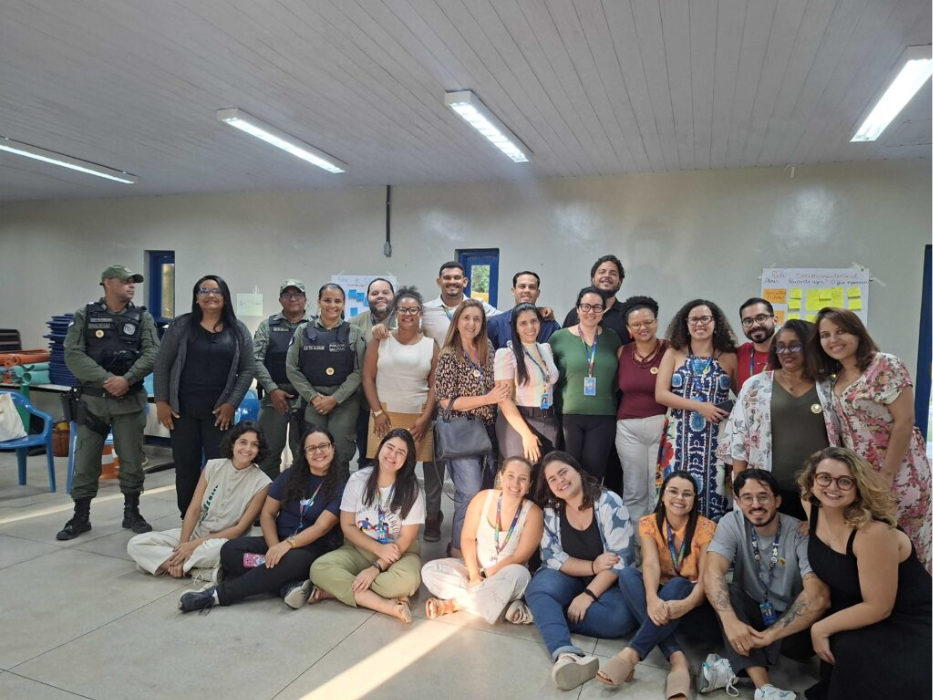
Implementation took place in Pernambuco, Brazil, where the program tested its model. The effort represents a bridge between research evidence and real-world school practice. Schools participating in the initiative worked with program developers to translate mental health principles into actionable strategies for staff.
The Stavros Niarchos Foundation funding supports this work as part of its broader investment in child and adolescent mental health globally. The Child Mind Institute provides institutional backing and expertise for the program's development and evaluation.
School-based mental health programs address gaps in access to mental health services for children. By training existing school personnel rather than solely relying on external mental health specialists, the PSP offers a scalable approach to supporting student well-being. Staff receive preparation to recognize mental health needs and respond appropriately within school contexts.
The program's focus on building staff capacity positions schools as partners in mental health promotion. Implementation in Pernambuco generated lessons about translating evidence-based approaches into school environments. These insights inform how mental health initiatives can be adapted for different communities and educational systems.