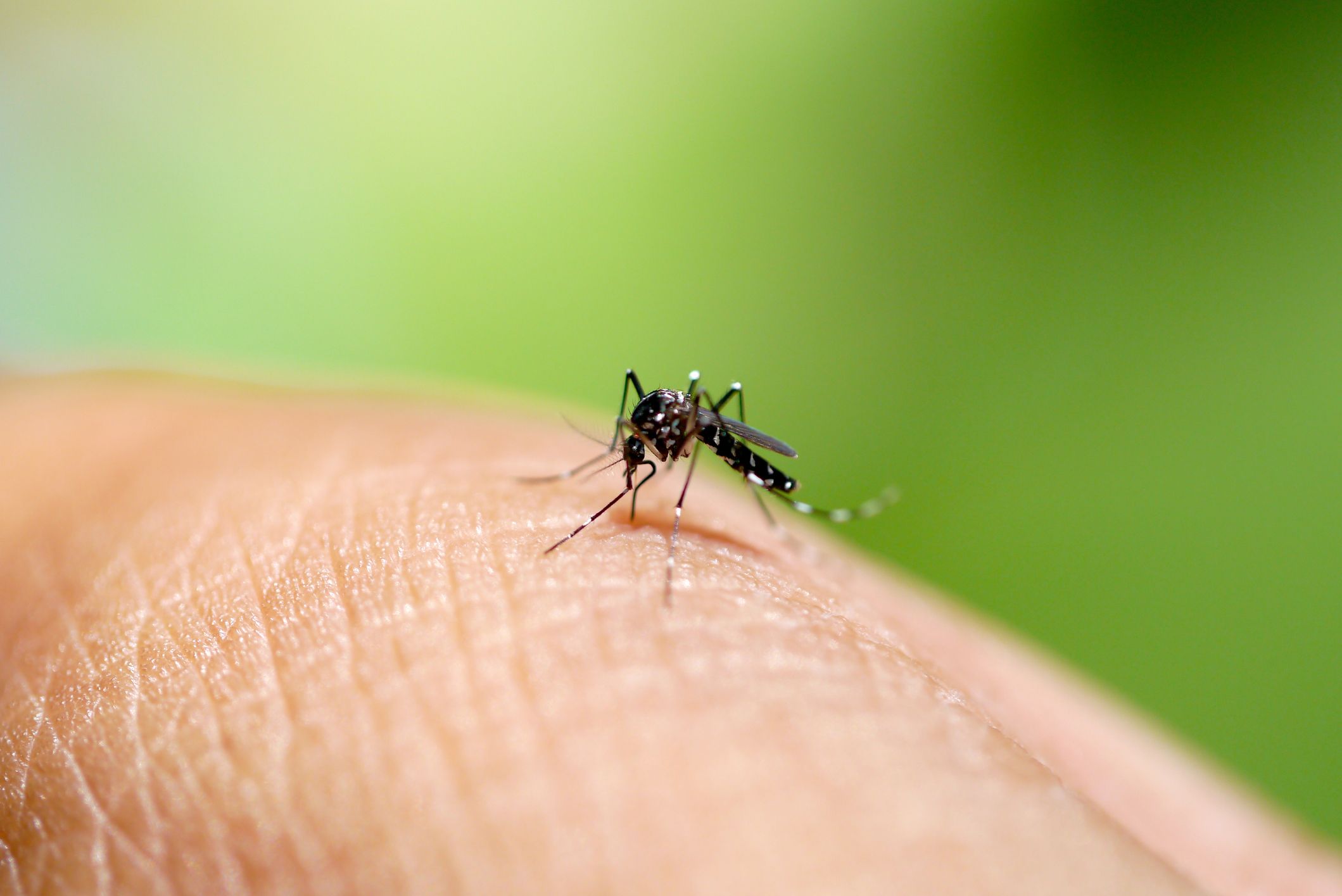
West Nile Virus causes symptoms that closely resemble the flu, according to medical professionals. The mosquito-borne illness has already appeared in the United States this year.
Doctors note that West Nile Virus infections can produce flu-like symptoms, making early identification challenging for patients and caregivers. The virus spreads through mosquito bites, particularly during warmer months when mosquito activity peaks.
Most people infected with West Nile Virus experience mild symptoms or no symptoms at all. When symptoms do develop, they typically include fever, headache, body aches, and fatigue. These presentations mirror common flu symptoms, which can delay diagnosis and proper care.
Severe cases of West Nile Virus, though less common, can lead to serious neurological complications. The condition requires prompt medical attention when symptoms persist or worsen.
Prevention focuses on mosquito avoidance and control. Recommendations include using insect repellent, wearing protective clothing during peak mosquito hours, and eliminating standing water where mosquitoes breed. Families should take these precautions seriously during mosquito season.
The appearance of West Nile Virus cases in the U.S. this year reinforces the importance of awareness among parents and caregivers. Understanding that flu-like symptoms could indicate West Nile Virus rather than seasonal influenza helps guide treatment decisions. Anyone experiencing prolonged or worsening symptoms should consult a healthcare provider for proper evaluation and diagnosis.