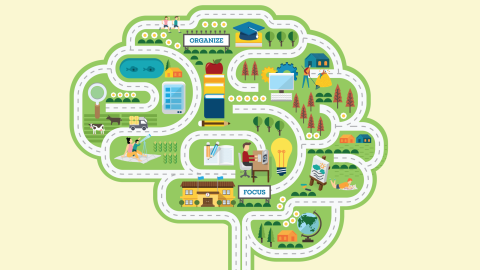
Neurons in the ADHD brain release dopamine and norepinephrine differently than in non-ADHD brains. These neurotransmitters help the prefrontal cortex hold onto goals, filter distractions, and decide what feels worth doing. In ADHD, dopamine and norepinephrine signals don't support these circuits as strongly or consistently. Task-relevant information fades too quickly, while distractions and immediate rewards pull more strongly. Researchers call this a "signal-to-noise" problem: the useful signal is there, but competing noise drowns it out.
ADHD medication optimizes these brain signals by slowing how quickly dopamine or norepinephrine are cleared from synapses, increasing their release, or activating receptors that strengthen signaling. This helps guide attention, motivation, and self-control.
Stimulants like methylphenidate increase vigilance and how much the ADHD brain values non-preferred tasks. Alpha-2A agonists like guanfacine and clonidine work by activating receptors for norepinephrine, helping the prefrontal cortex hold onto signals that support attention, working memory, and self-control.
Serotonin is also relevant to ADHD because it regulates mood and emotion. Almost half of adults with ADHD take selective serotonin reuptake inhibitors for co-occurring mood disorders. Viloxazine became the first ADHD medication in the U.S. to modulate all three neurotransmitters: dopamine, norepinephrine, and serotonin. The medication improved depression and anxiety in adults with ADHD and both conditions. Centanafadine, a newer stimulant approved for children age 6 and older and adults, also targets all three neurotransmitters and improved symptoms in adults with ADHD and co-occurring anxiety.
Untreated ADHD impacts how brain regions connect. Unstable connections increase risk for anxiety, depression, insomnia, and emotional frustration. ADHD medication enhances neural connectivity.