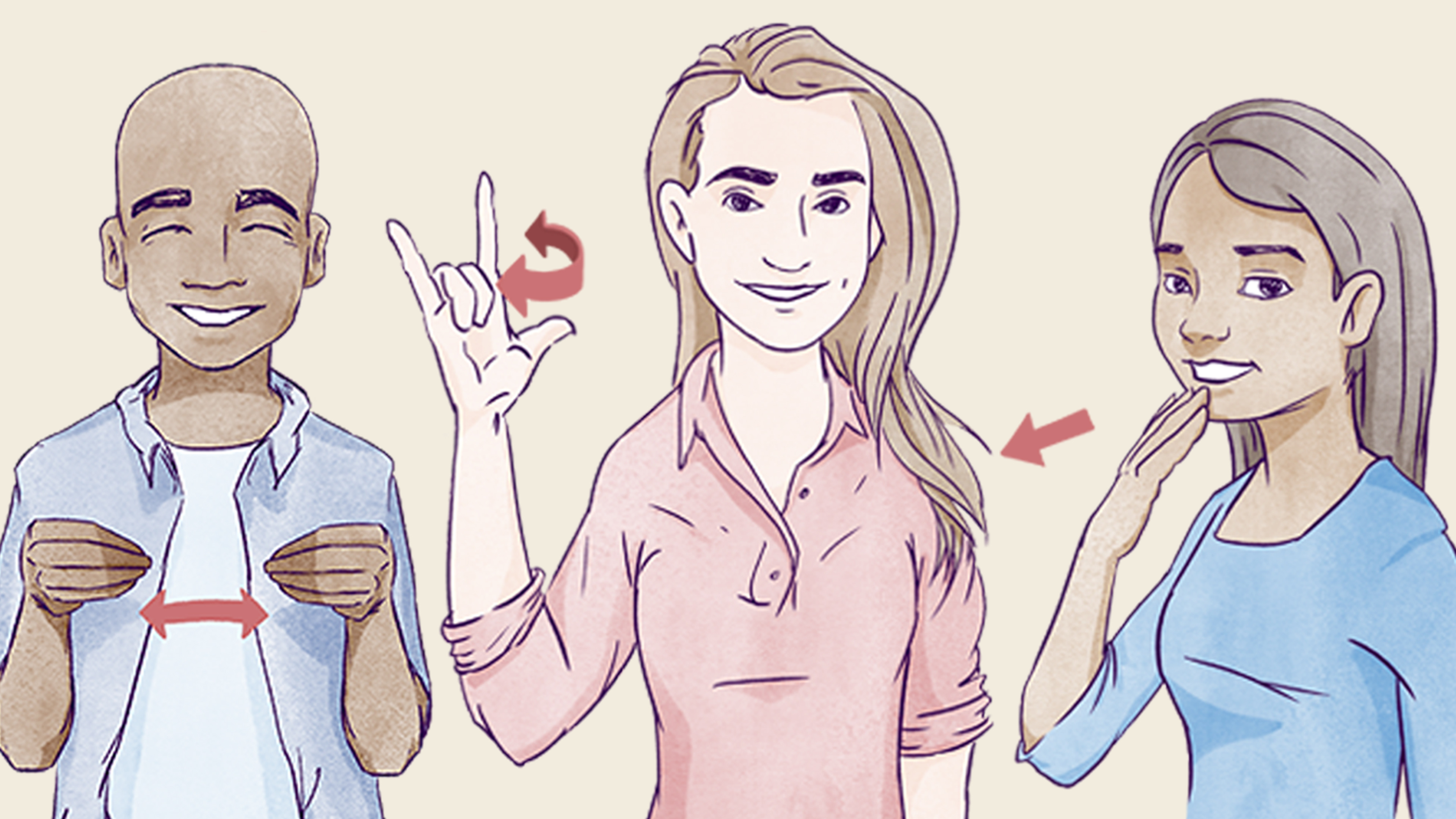
Baby sign language gives parents a communication bridge before infants develop spoken language skills. Research shows that babies can produce recognizable hand gestures as early as six to eight months, several months before they speak their first words. This early communication reduces frustration for both parent and child.
The most practical baby signs focus on everyday needs and objects. Common signs include "more," "all done," "milk," "water," "eat," "sleep," "diaper," and "help." Babies grasp these concepts naturally since the signs often mimic the actual action or object. Teaching "more" involves bringing your hands together repeatedly. "All done" uses a sweeping motion across the body.
Starting sign language early creates multiple benefits. Babies who learn signs often speak earlier than peers, according to research presented at the American Academy of Pediatrics conferences. They also experience fewer tantrums because they can express needs before frustration builds. Parents report feeling more connected to their infants when two-way communication begins earlier.
The teaching process requires consistency but no formal training. Parents simply introduce one or two signs at a time while speaking the word aloud. Repeat the sign whenever you use that word. Your baby will begin imitating the motion. Don't expect perfection. A baby's version of "more" might look different from yours, but the intention matters.
Visual guides and step-by-step demonstrations help parents learn the correct hand positions. Mama Natural offers a cheat sheet with the top twenty baby signs, providing clear instructions for each gesture. Websites like Baby Sign Language and YouTube channels dedicated to Deaf culture also provide reliable video tutorials.
Baby sign language works for all families, regardless of hearing status. Deaf parents naturally use sign language with their babies. Hearing parents who introduce signs give their children bilingual exposure while building early communication. The signs don't replace spoken language development. They complement it.
Starting