# Surf Therapy Emerges as Evidence-Based Mental Health Tool for Youth Worldwide
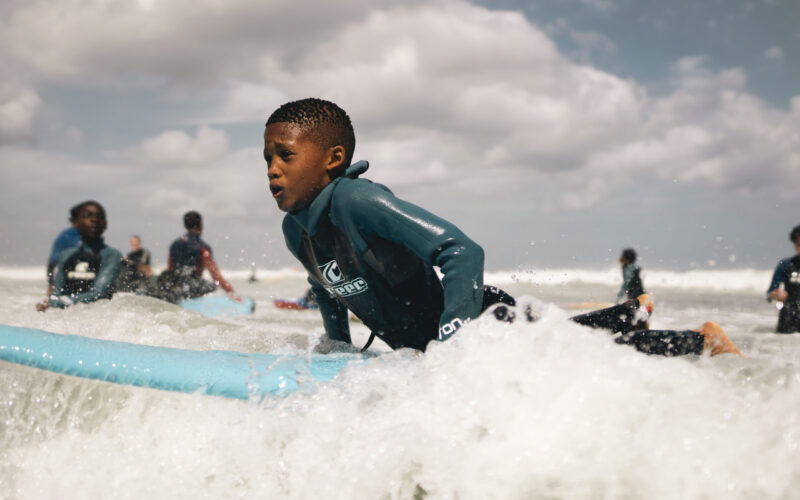
Surfing is becoming a legitimate therapeutic intervention for adolescents struggling with anxiety, depression, and emotional regulation. The Child Mind Institute's Stavros Niarchos Foundation Global Center for Child and Adolescent Mental Health has begun documenting how ocean-based programs help young people access mental health support in underserved communities.
The approach works through a combination of physical activity, nature exposure, and structured peer support. When teens catch waves, they engage their bodies in low-intensity exercise that naturally releases endorphins. The repetitive, rhythmic nature of surfing creates what researchers call a "flow state" where anxious thoughts quiet and focus narrows to the present moment. This neurological shift happens without the shame or clinical feeling some teenagers associate with traditional therapy offices.
Waves for Change, a program highlighted by the Child Mind Institute, operates in countries including South Africa, Mozambique, and Senegal. These organizations pair certified instructors with local mental health professionals to create culturally responsive sessions. Adolescents who might never enter a therapist's office find themselves in community-based surf circles where emotional conversations emerge naturally between sets.
The intervention addresses a global mental health crisis. The World Health Organization estimates that depression and anxiety affect roughly one in five adolescents worldwide. In developing nations, access barriers loom large. Few teenagers have therapists available. Long wait lists, cultural stigma, and treatment costs keep struggling youth isolated. Surf therapy fills gaps by meeting young people where they are—literally, at the ocean.
Research supporting the model remains emerging but promising. Studies show participants report reduced anxiety symptoms, improved emotional regulation, and stronger social connections after consistent participation. The physical challenge of learning to surf builds self-efficacy. Each small victory on the board translates to confidence that extends beyond the water.
Low-intensity framing matters here. Unlike intensive cognitive behavioral therapy or medication-based approaches, surf therapy works as an accessible entry point. Teenagers don't need previous mental health labels or referrals to join a community surf program. The activity feels recreational rather than medical, which removes barriers for adolescents who resist traditional mental health language.
The ocean environment itself offers therapeutic properties. Saltwater immersion activates the parasympathetic nervous system, slowing heart rate and blood pressure. Sensory input from the water, sand, and movement interrupts rumination cycles common in depression. Vitamin D exposure, physical exertion, and time away from screens create conditions where teenage brains naturally rebalance.
Implementers emphasize that surf therapy complements rather than replaces conventional mental health care. Teenagers with severe depression, suicidal ideation, or untreated trauma need clinical support. Surf programs work best as part of integrated treatment plans. But for prevention, resilience building, and mild-to-moderate anxiety and depression, the ocean offers healing that feels like fun.
Scaling these programs requires training local instructors and integrating them with existing mental health infrastructure. The Child Mind Institute and Waves for Change partnership models show this coordination is possible even in resource-limited settings. As more coastal communities adopt surf therapy, the evidence base will grow and refine which adolescents benefit most.