# New Jersey Launches Mental Health Training Initiative for Parents and Educators
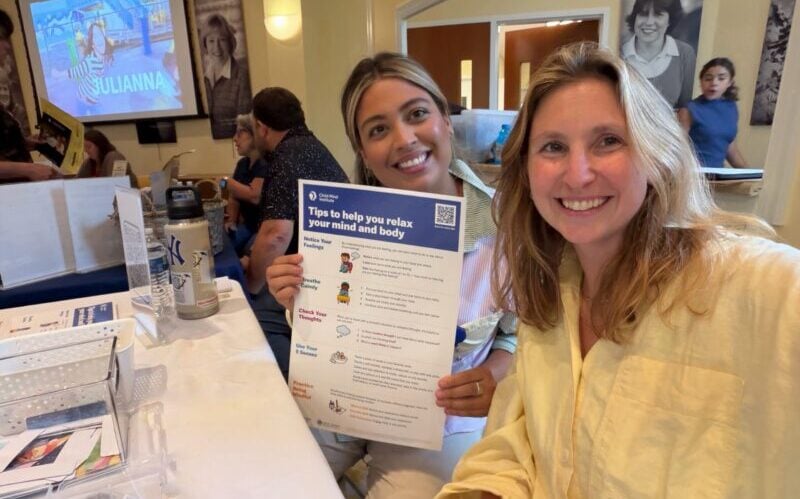
The Child Mind Institute has partnered with New Jersey's Department of Health to bring clinician-led training directly to parents, teachers, and caregivers across the state. Through this grant-funded program, mental health experts present workshops focused on practical skills that help children thrive emotionally and socially.
The initiative addresses a real gap. Many parents and educators lack formal training in child mental health, yet they spend the most time with children during critical developmental years. This partnership puts evidence-based guidance into their hands.
The workshops cover several core topics. Emotion regulation tops the list, teaching adults how to help children identify and manage feelings like anger, anxiety, and frustration. Instructors also cover building strong parent-child and teacher-student connections, which research consistently shows protects mental health. Participants learn strategies for promoting positive behaviors in ways that actually stick, rather than relying on punishment alone.
The program addresses digital wellness too. As children spend more time online, parents and educators need concrete tools for managing screen time, recognizing concerning behavior, and supporting healthy tech habits. These workshops give them that roadmap.
Who benefits? Parents attending these community events gain skills they can use immediately at home. Teachers and school staff learn how to spot early signs of emotional distress and respond supportively. Caregivers in other settings, from child care centers to after-school programs, receive training tailored to their environments.
The Child Mind Institute, a nonprofit research and treatment organization based in New York, brings expertise from its clinical teams. Their clinicians deliver these trainings, ensuring participants learn from people with real experience treating children and families. This matters. Generic parenting advice differs from guidance rooted in clinical practice.
New Jersey's Department of Health backing signals official commitment. State health departments control funding, policy, and reach. This partnership gives the program credibility and ensures it reaches underserved communities that might not otherwise access such training.
The grant structure makes it accessible. Parents and educators don't pay to attend. Removing cost barriers means families with fewer resources still gain access, which addresses equity gaps in mental health support.
What comes next? As clinicians present at community events over the coming months, families should watch for announcements through schools, pediatrician offices, and local health departments. If your community hosts these workshops, attending offers real value. Parents walk away with specific strategies for emotion coaching. Teachers get language for classroom conversations about feelings. Everyone leaves with better tools.
The broader implication matters too. When adults who surround children receive mental health training, it shifts culture. Instead of viewing childhood anxiety or sadness as something only therapists handle, entire communities normalize emotional learning. This prevents small problems from becoming big ones.
New Jersey families have direct access to this resource. Check your local health department website or school district bulletin board for workshop dates and times in your area.