# Young Researchers Find Their Voice in Mental Health Science
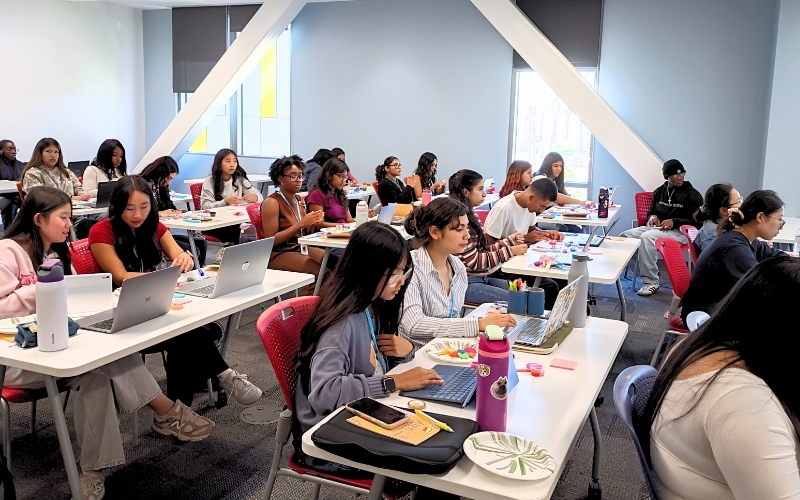
Teenagers across the country just earned recognition for conducting rigorous mental health research through the 2026 Youth Mental Health Academy Capstone Awards, an initiative from the Child Mind Institute. This program gives adolescents hands-on experience in the kind of scientific work that shapes mental health policy and treatment.
The award ceremony celebrated students whose projects tackled real-world mental health challenges. Judges evaluated entries across six categories: community impact, research excellence, innovation, communication, collaboration, and leadership. This structure matters because it rewards different strengths. A teenager might excel at designing a clever study but struggle with public speaking. Another student might shine at organizing a team around a mental health awareness campaign. Recognizing varied talents encourages more young people to see themselves as future researchers, clinicians, and advocates.
The Youth Mental Health Academy itself represents a broader shift in how institutions engage adolescents with science. Rather than waiting until college, programs like this one bring research literacy down to high school years, when teens grapple with rising rates of anxiety, depression, and stress. According to the National Institute of Mental Health, roughly one in five adolescents experience a mental health disorder annually. When young people conduct their own investigations into peer stress, social media effects, or school-based wellness interventions, they develop critical thinking while addressing problems their generation actually faces.
Research excellence rewards matter for another reason. Too many teenagers treat science as a series of steps to follow, not a creative discipline. Honoring projects that break new methodological ground encourages students to ask harder questions. Did a team devise a novel survey tool? Did another group use existing data in an unexpected way? These students model how science actually advances.
Communication awards recognize that findings locked in a journal article change nothing. Public speaking, social media posts, infographics, and community presentations all matter. A teen who can explain depression's neurobiological basis to peers has real power to reduce stigma. The Child Mind Institute appears to understand that training the next generation of mental health professionals requires cultivating science communicators, not just data collectors.
Collaboration categories acknowledge that modern research rarely happens in isolation. Teens learn to work across disciplines, across schools, and with community organizations. Leadership awards go to students who inspire others or champion mental health in their own institutions. A student might start a peer support group, push administrators to address school stress, or recruit classmates for a larger research project.
For families with teenagers interested in science, mental health, or both, programs like the Youth Mental Health Academy offer concrete next steps. Many major research institutions, universities, and nonprofit organizations now offer similar youth research programs, some with paid internships or college credit. The American Psychological Association and various teaching hospitals sponsor summer programs that combine classroom learning with mentored research experiences.
Parents watching their teenagers navigate adolescence see firsthand how mental health shapes everything. When young people participate in research, they gain agency. They become part of the solution rather than passive recipients of adult interventions. They learn that asking good questions about mental health is valued work. That recognition, paired with the skills they build, positions them to shape mental health care as they enter adulthood.